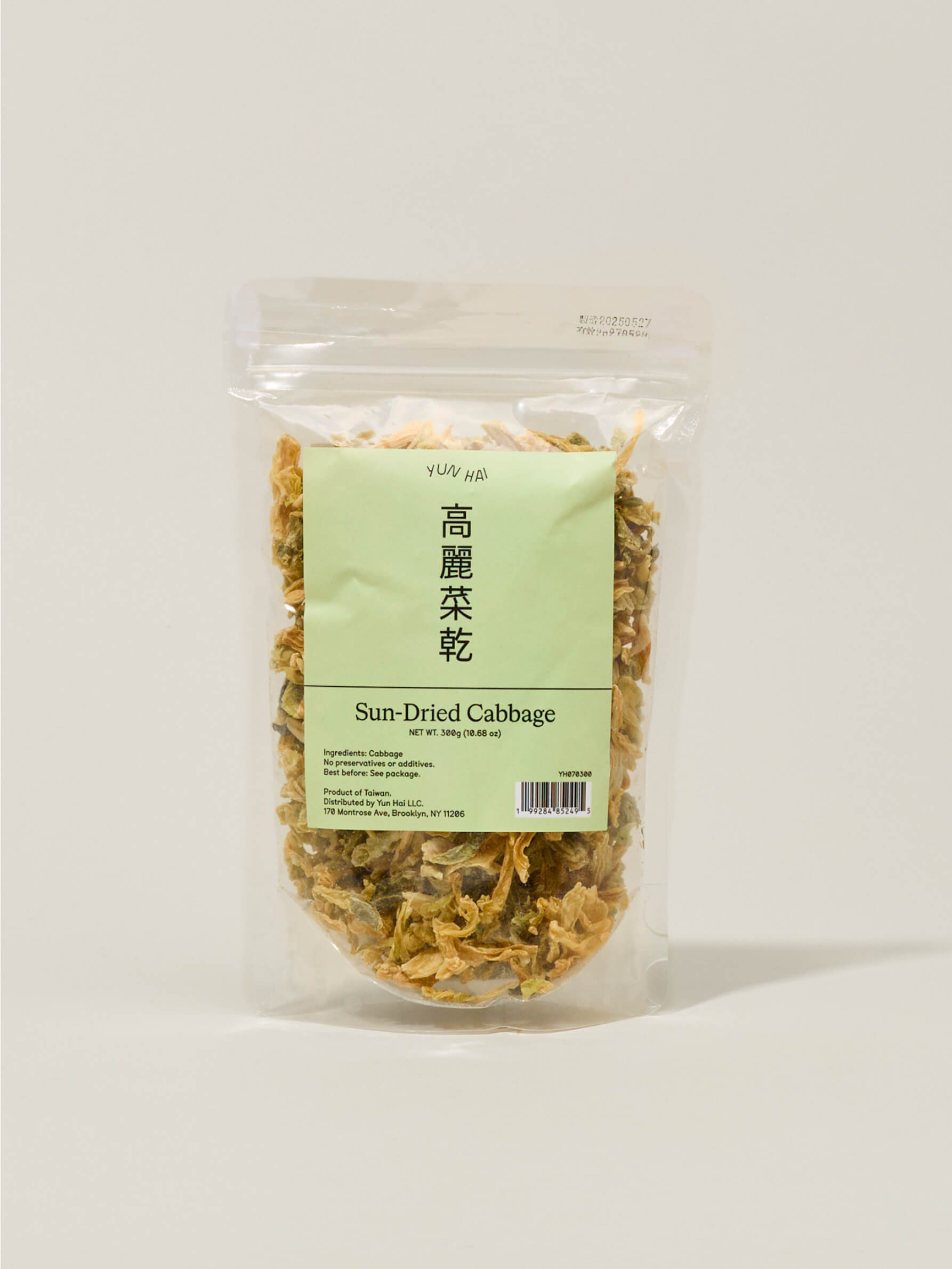
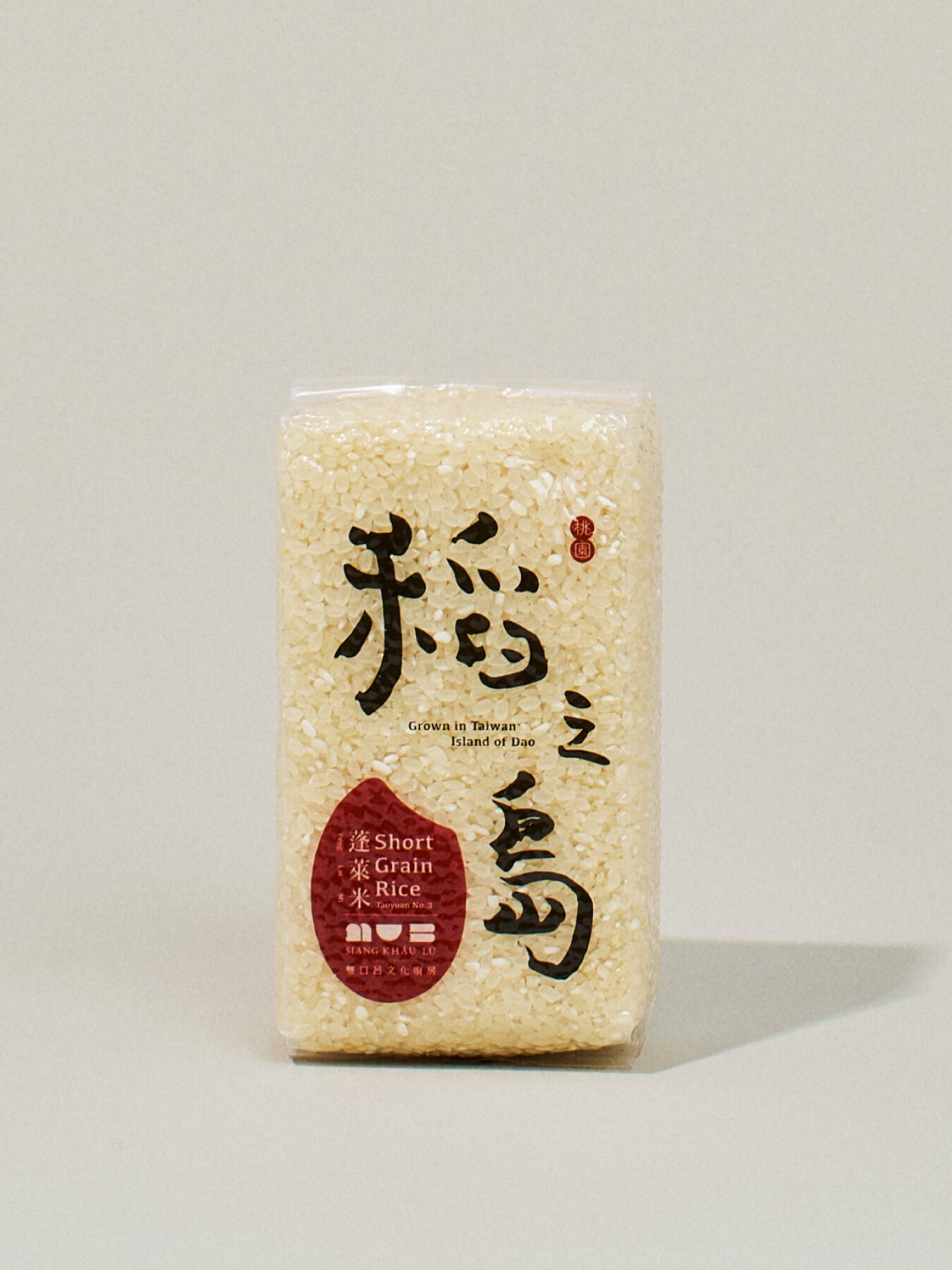
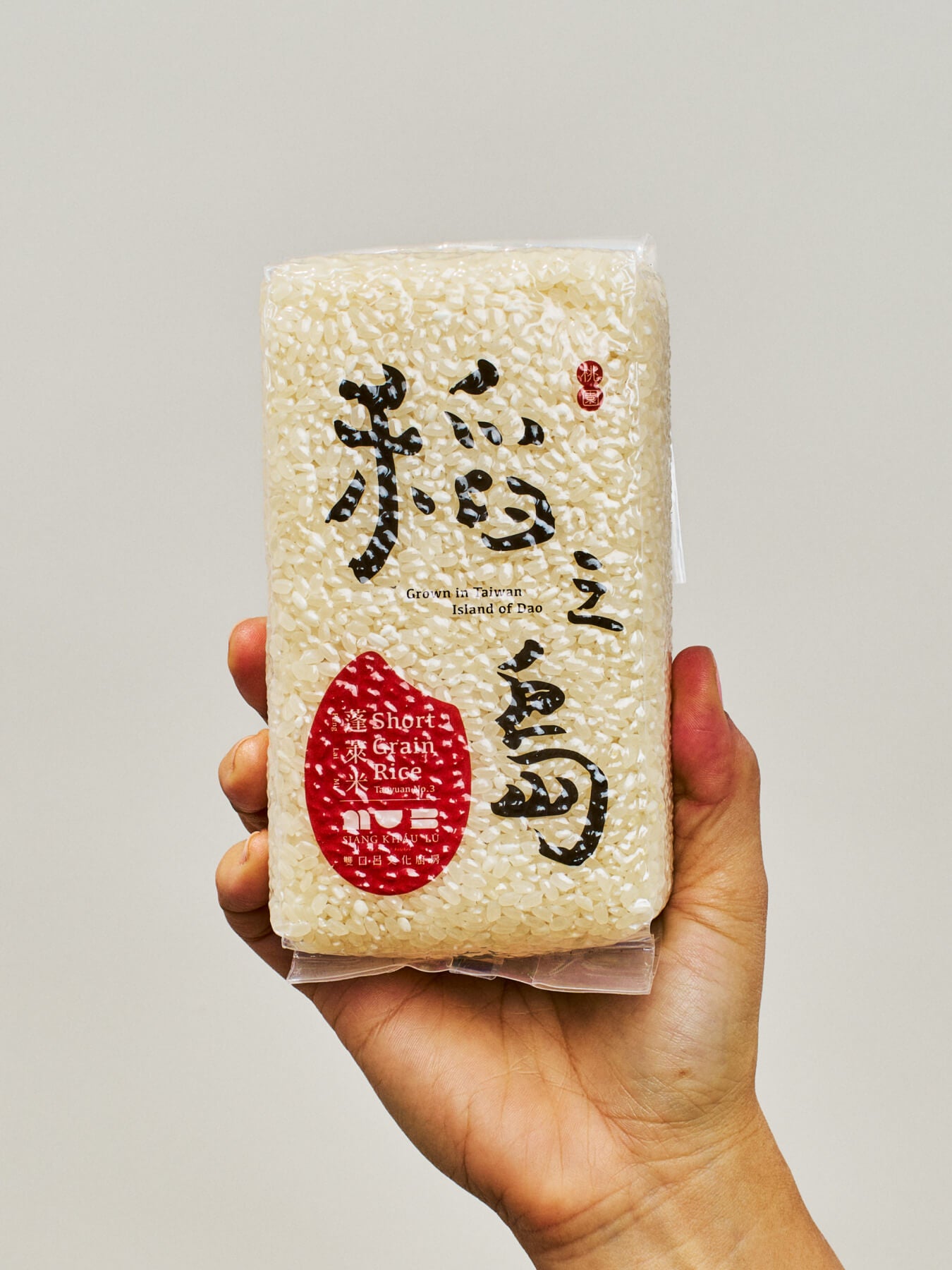
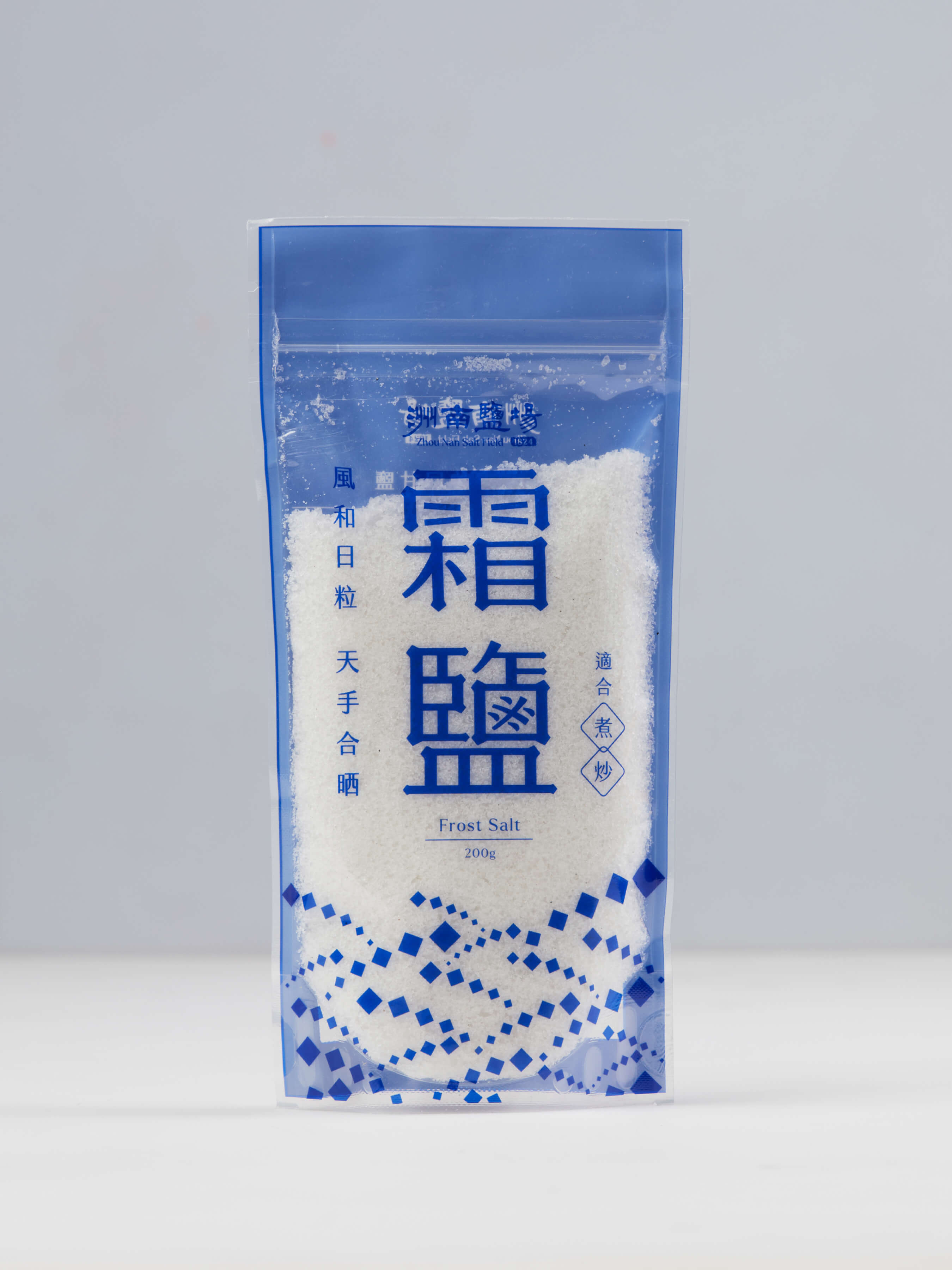
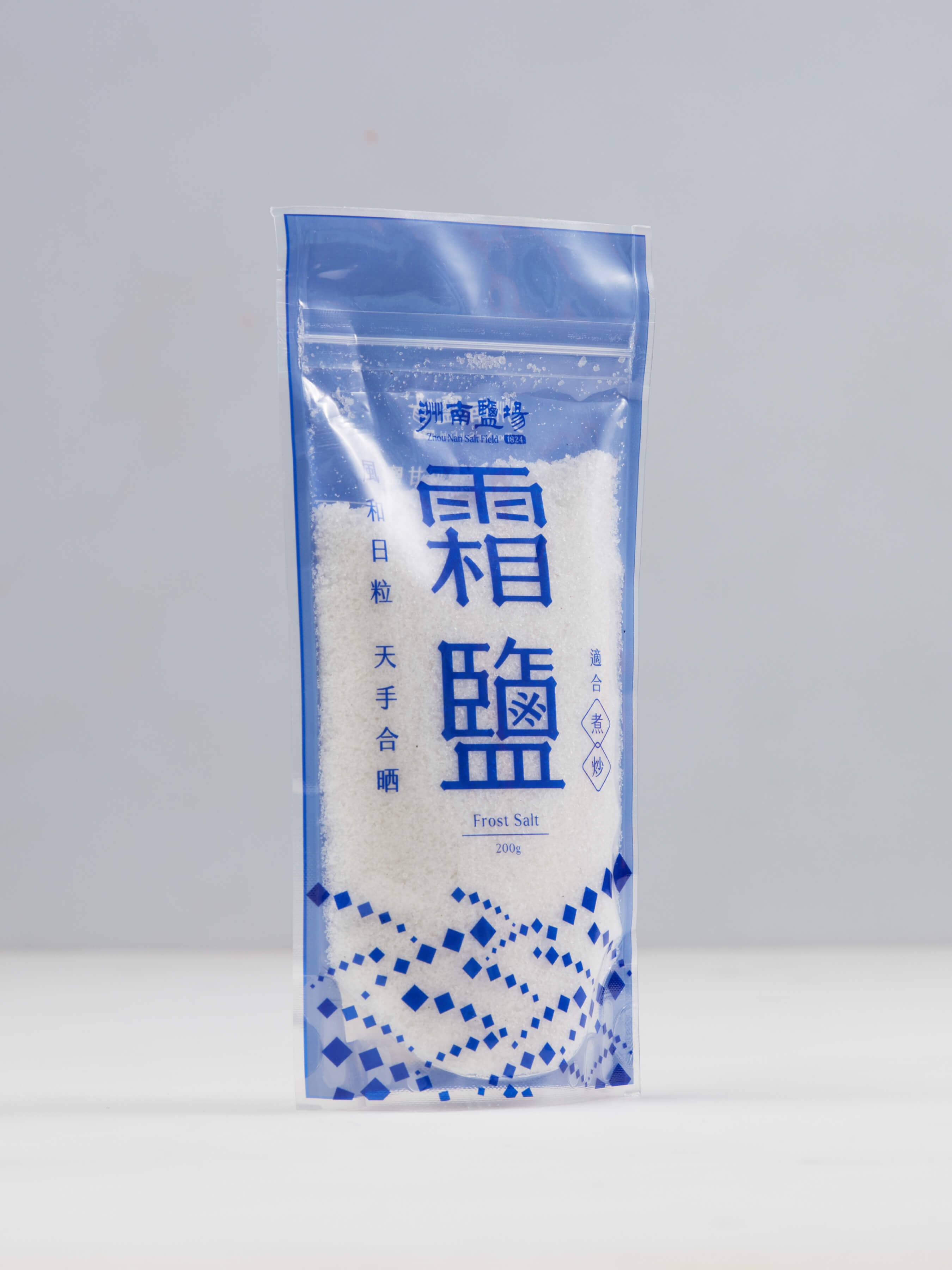
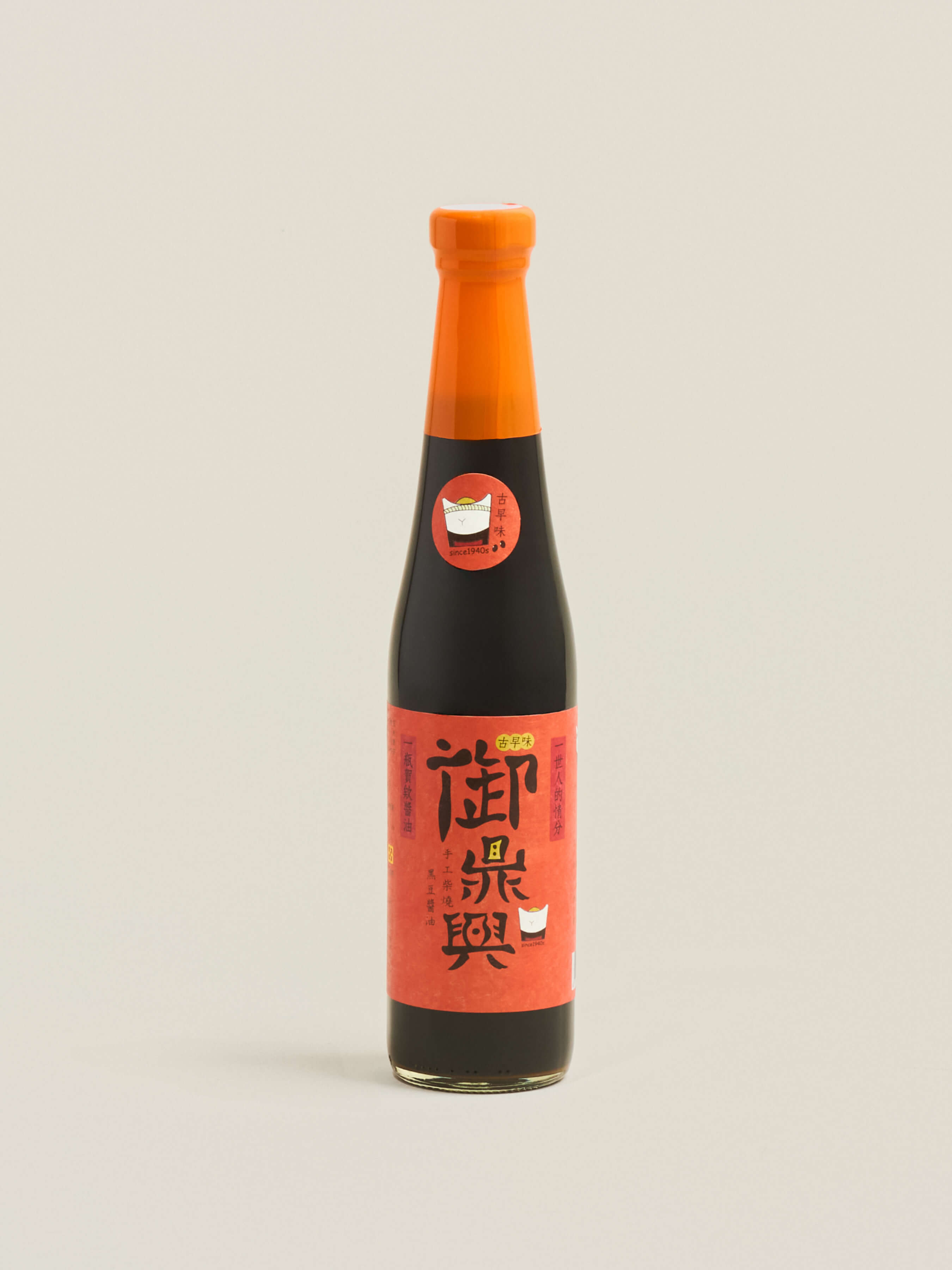
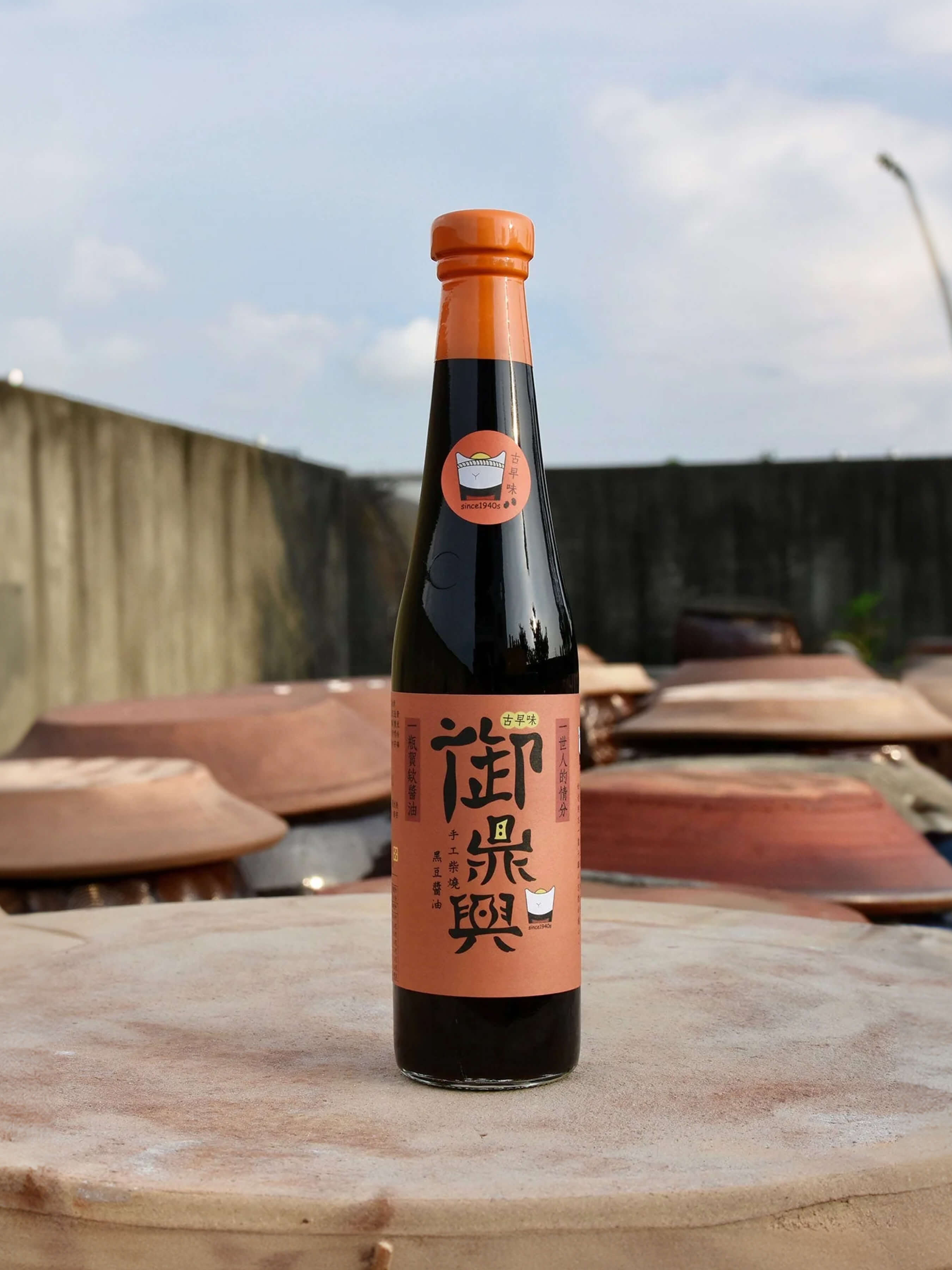
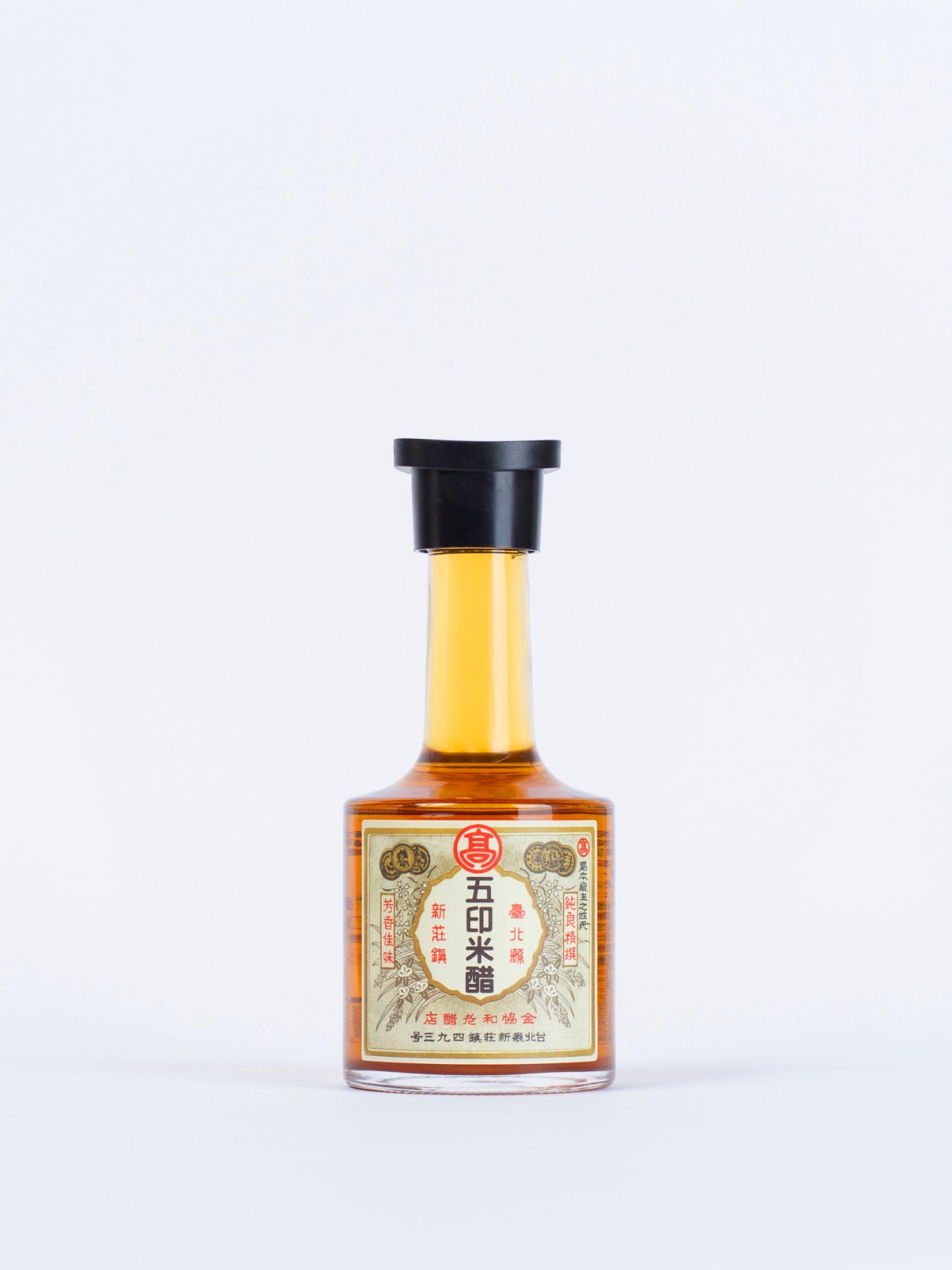
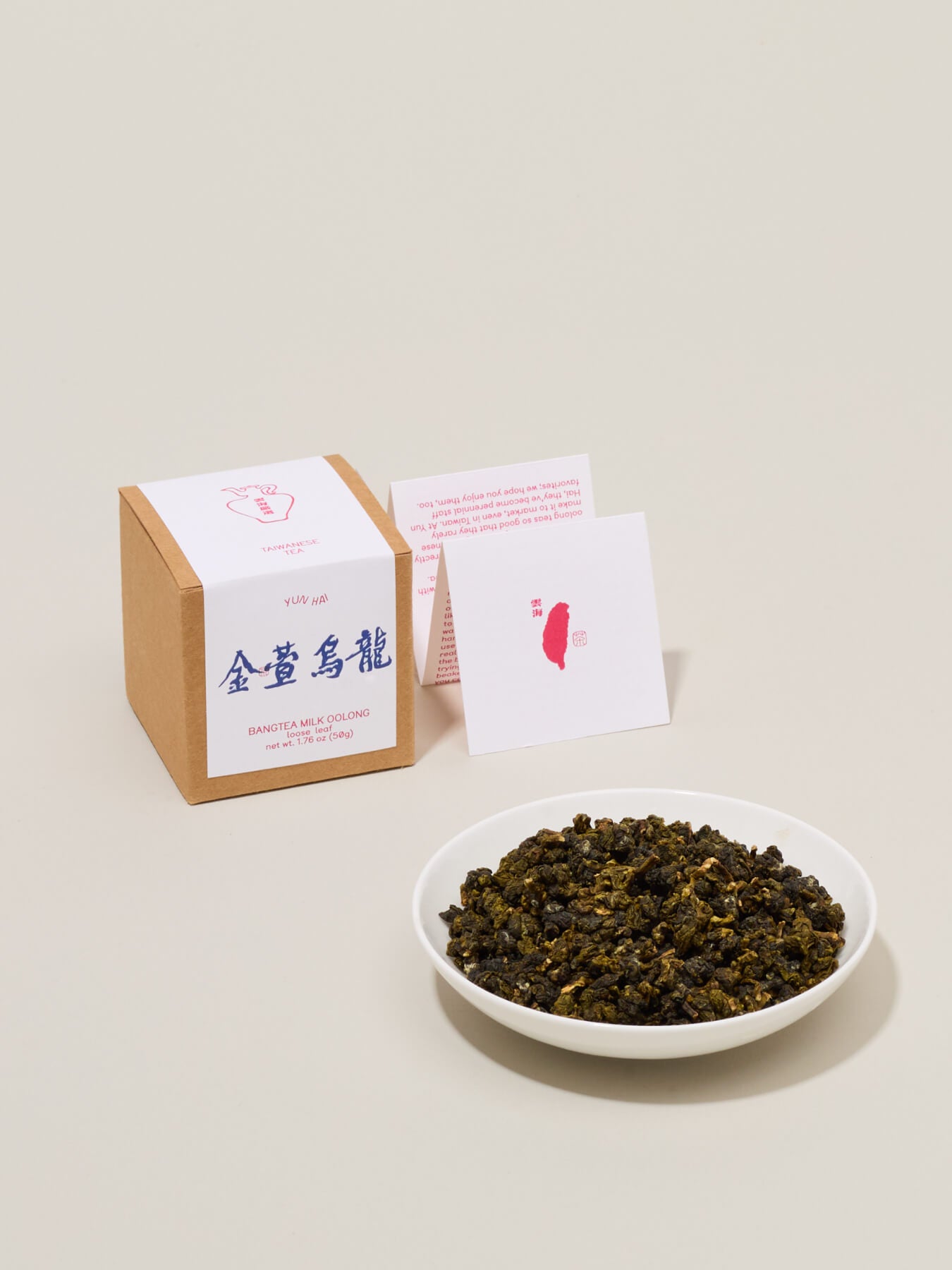
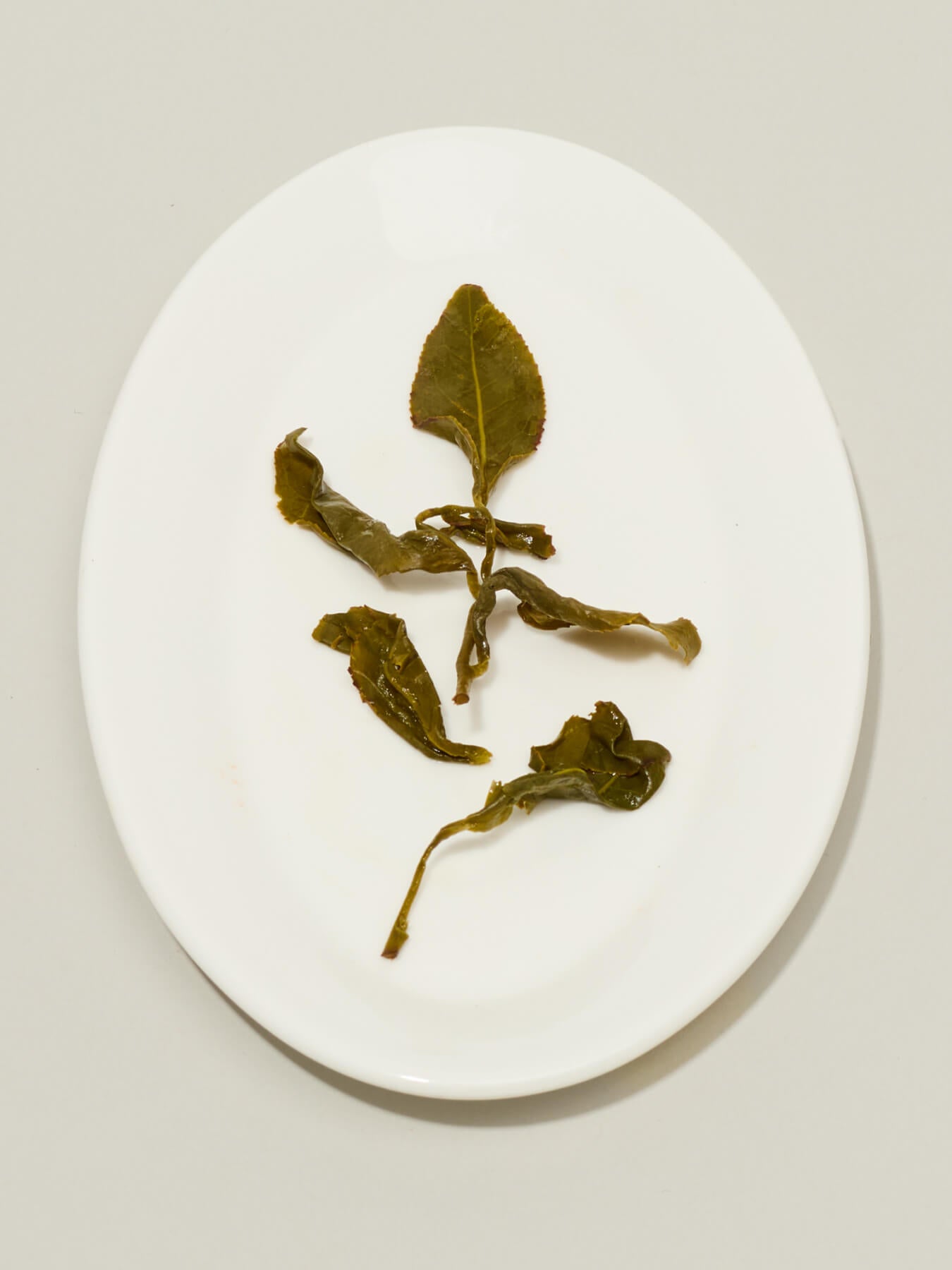
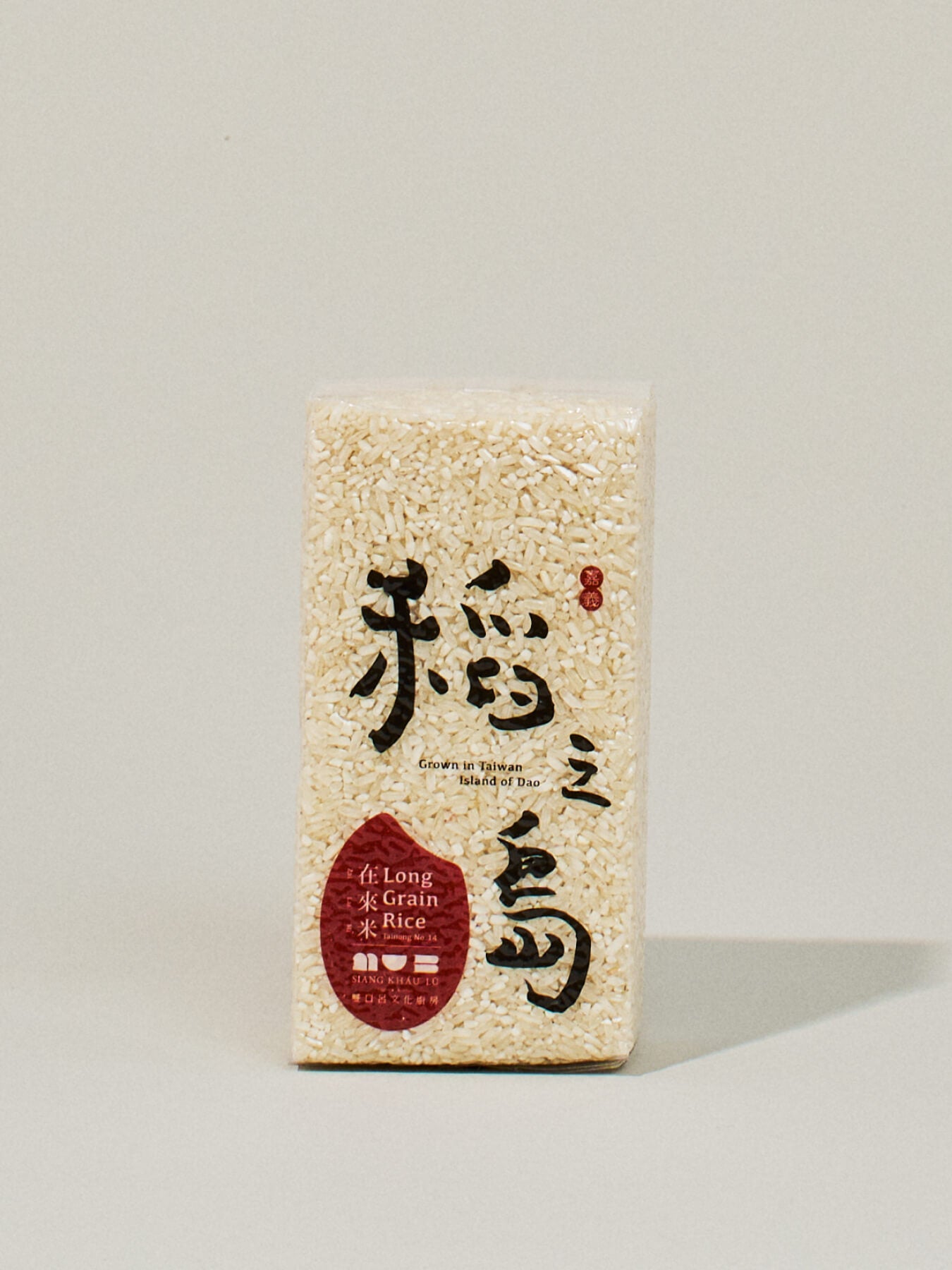
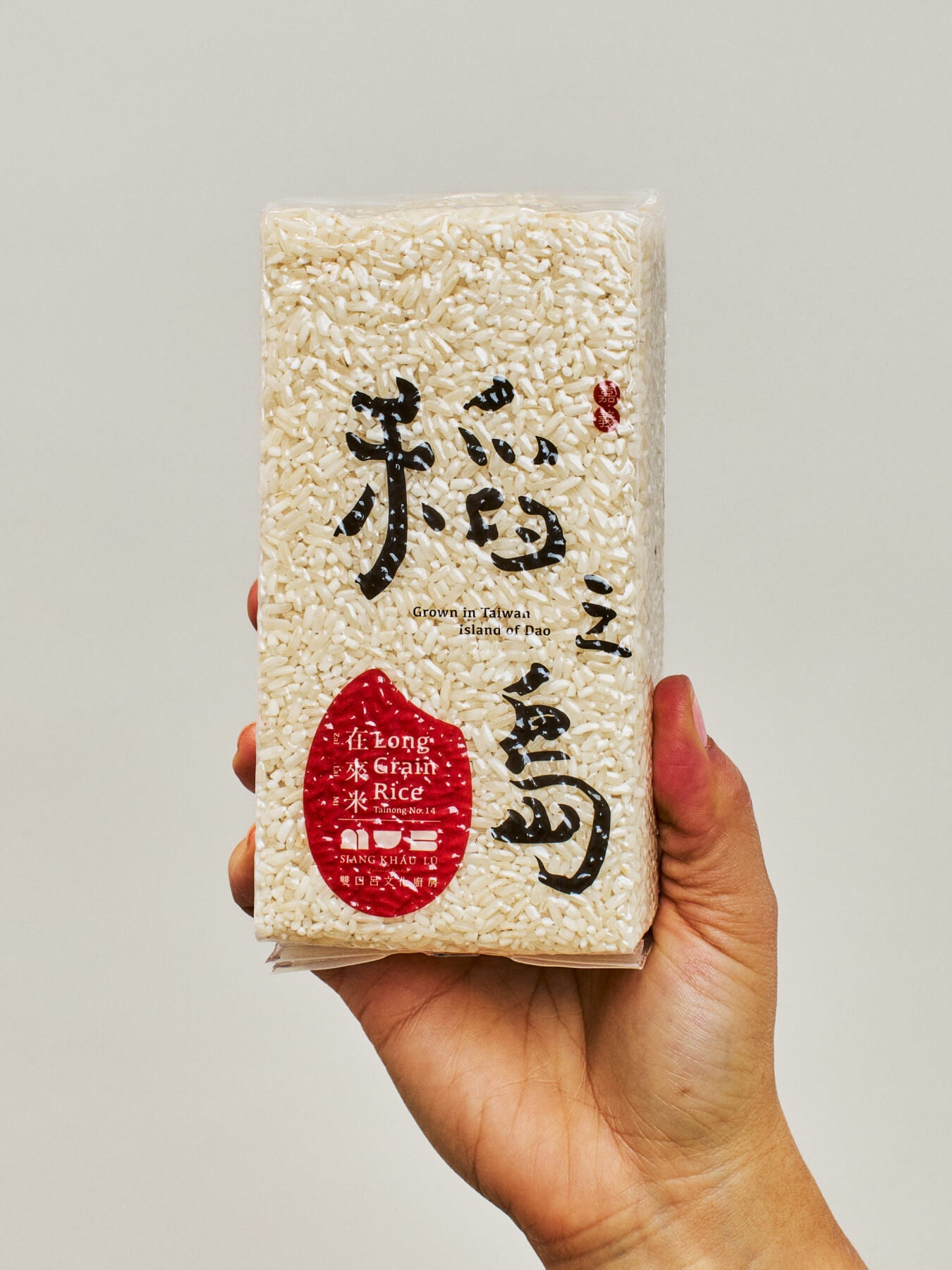
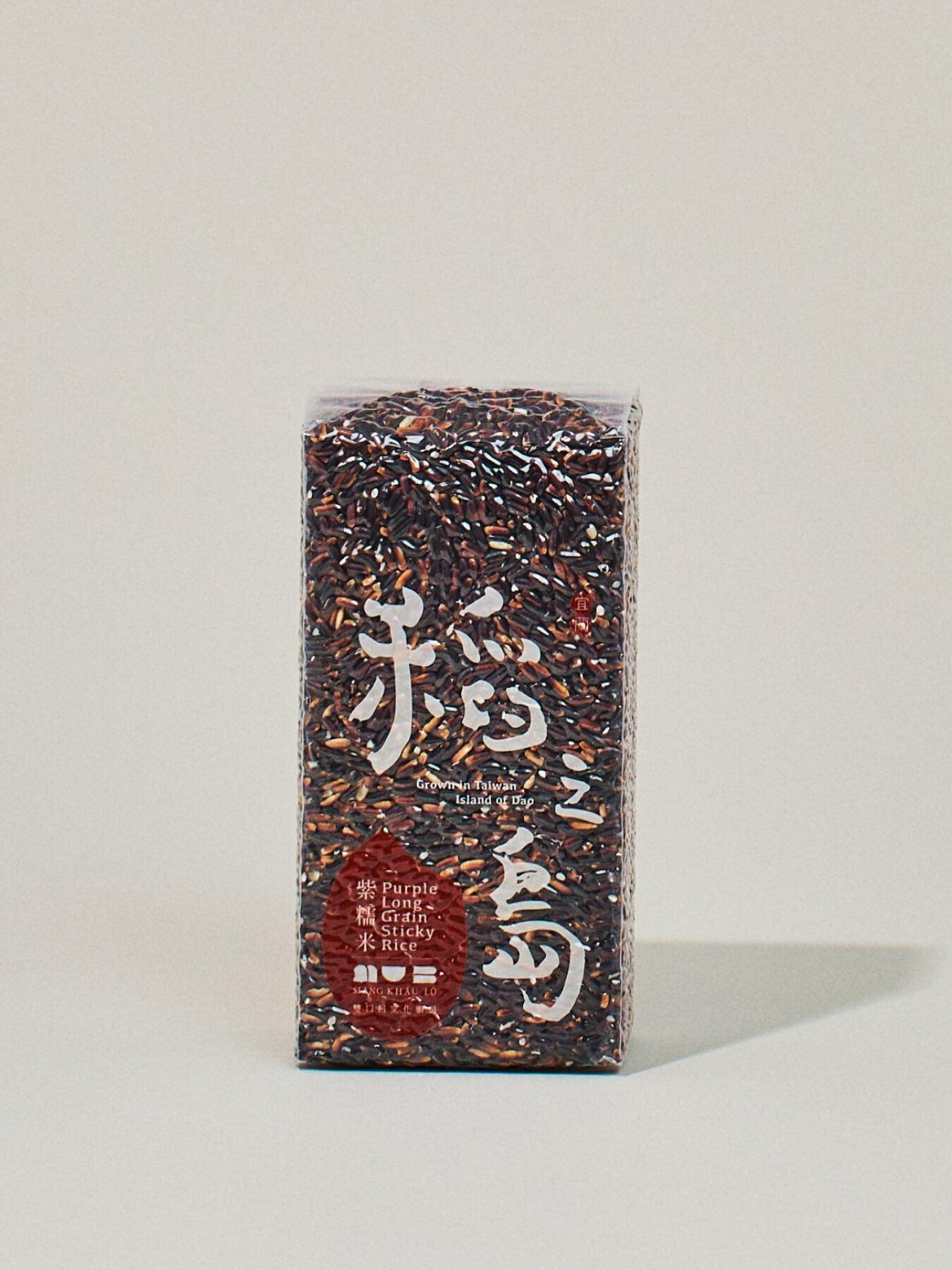
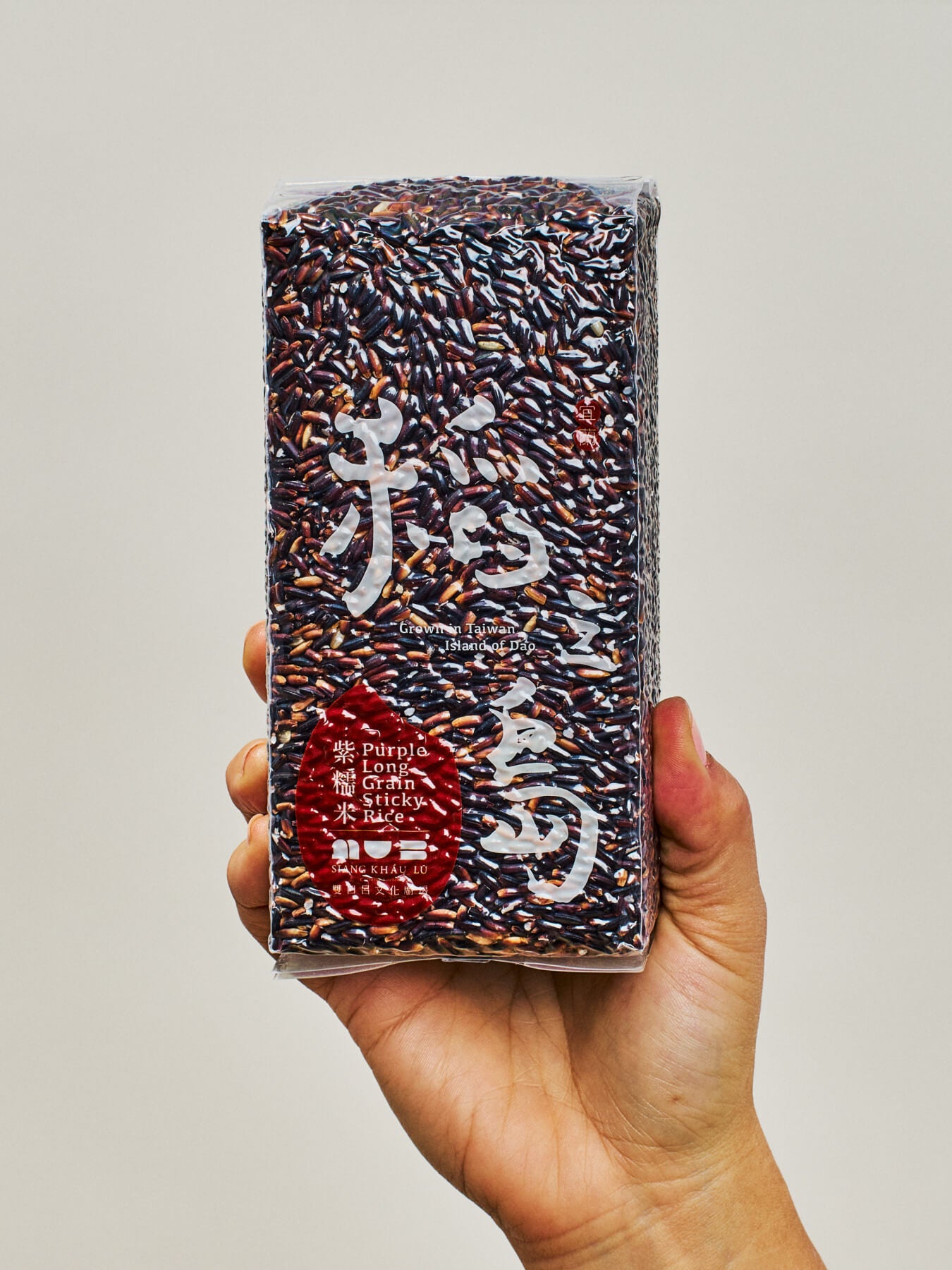
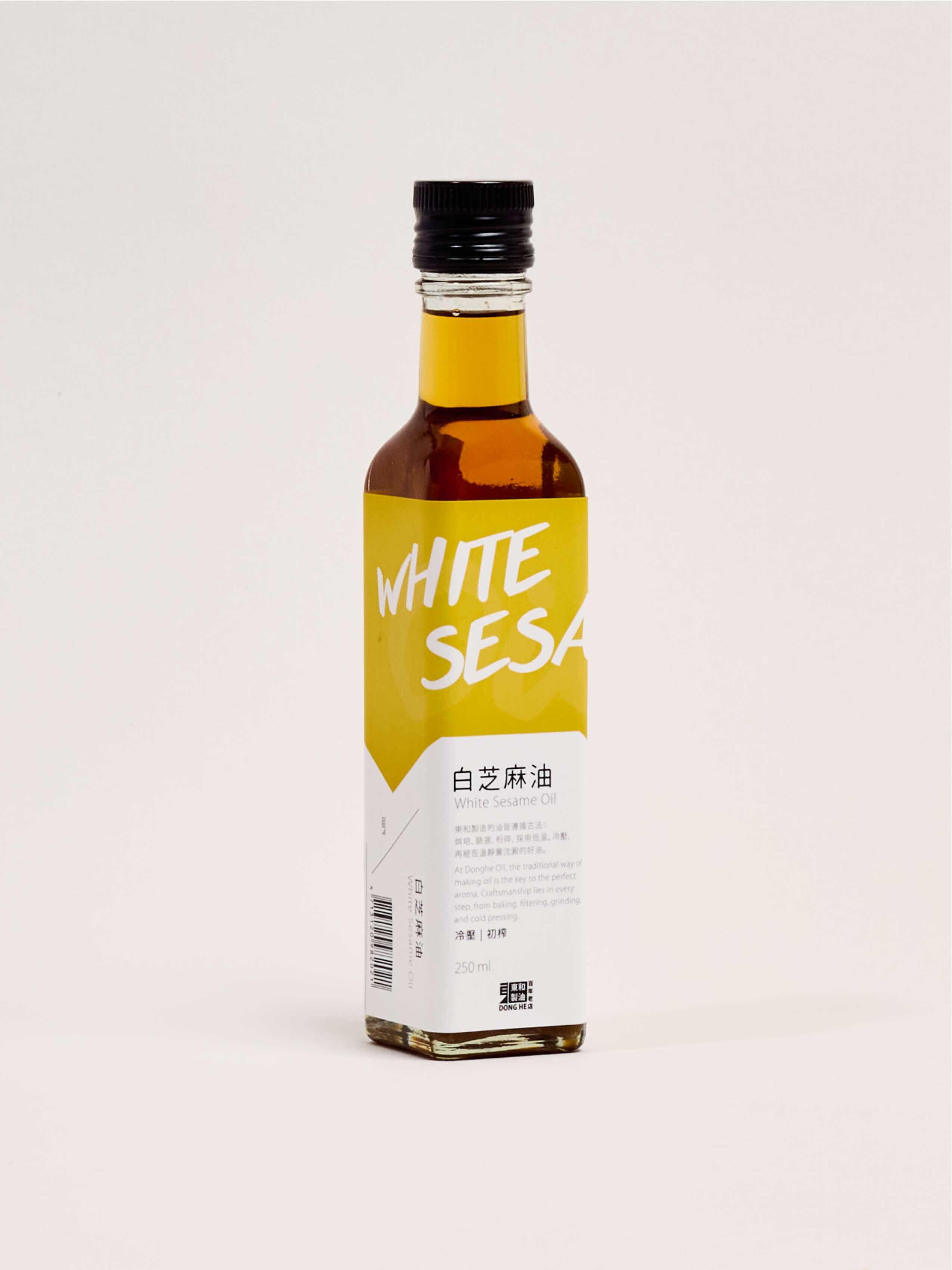
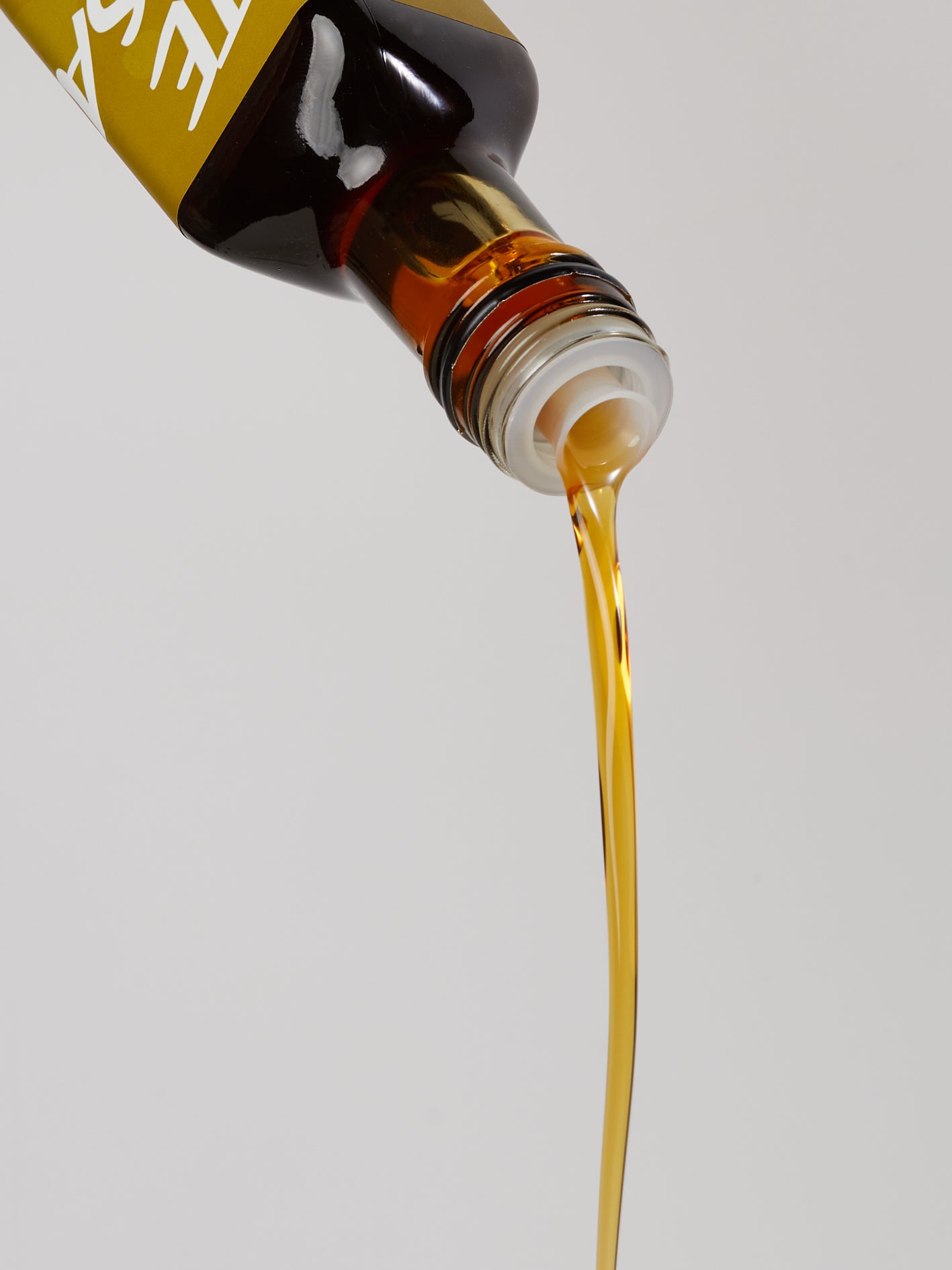
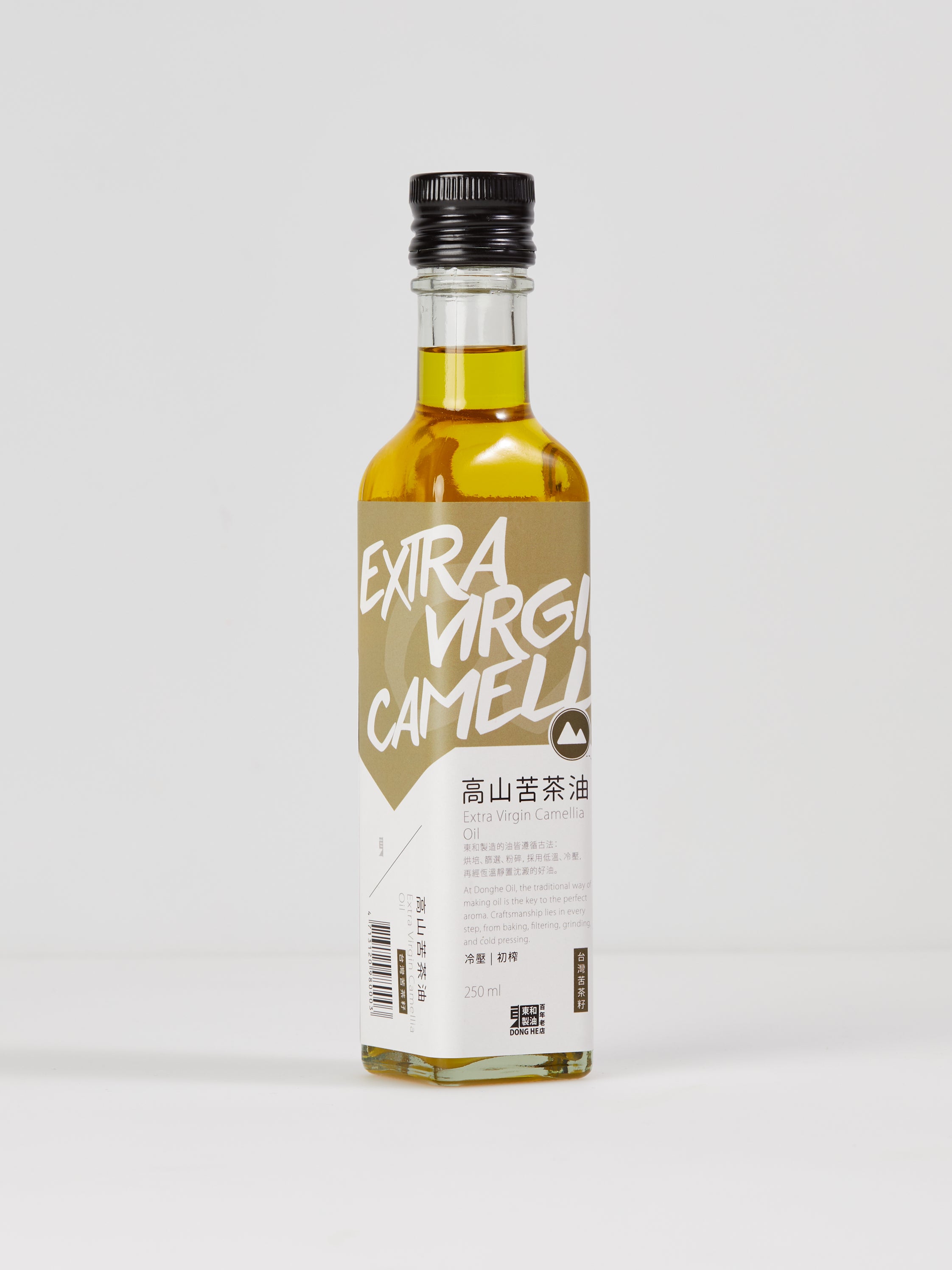
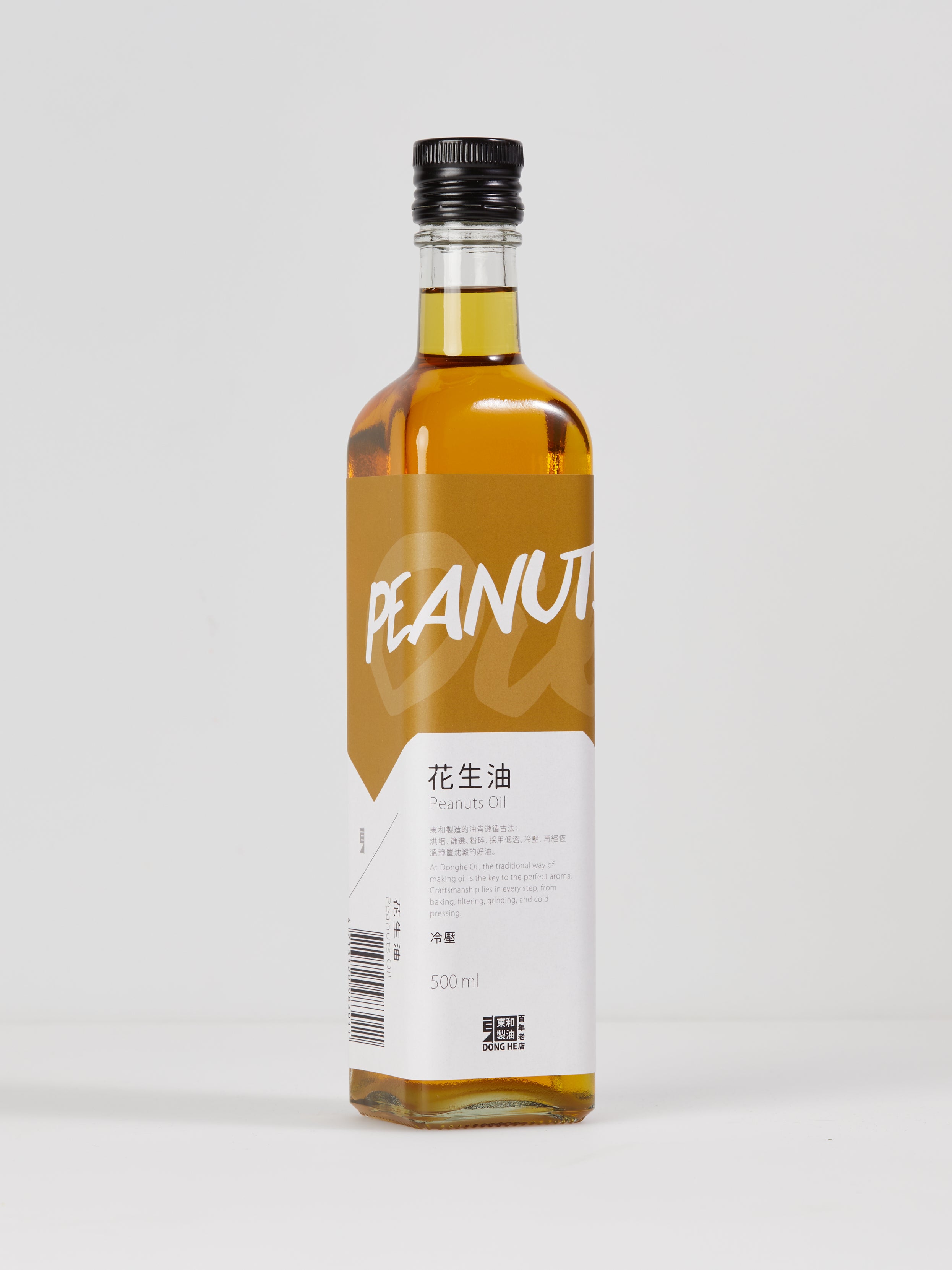
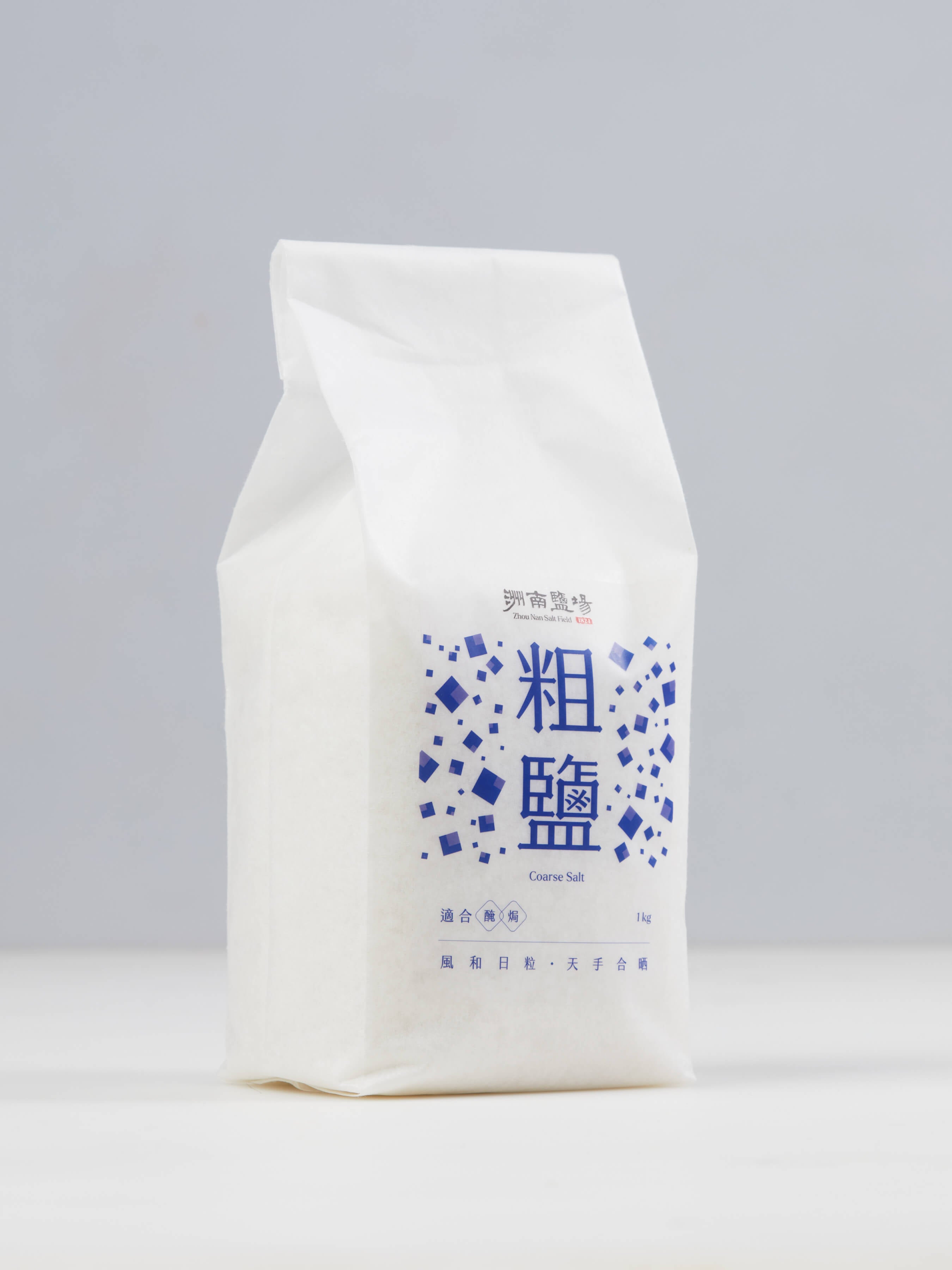
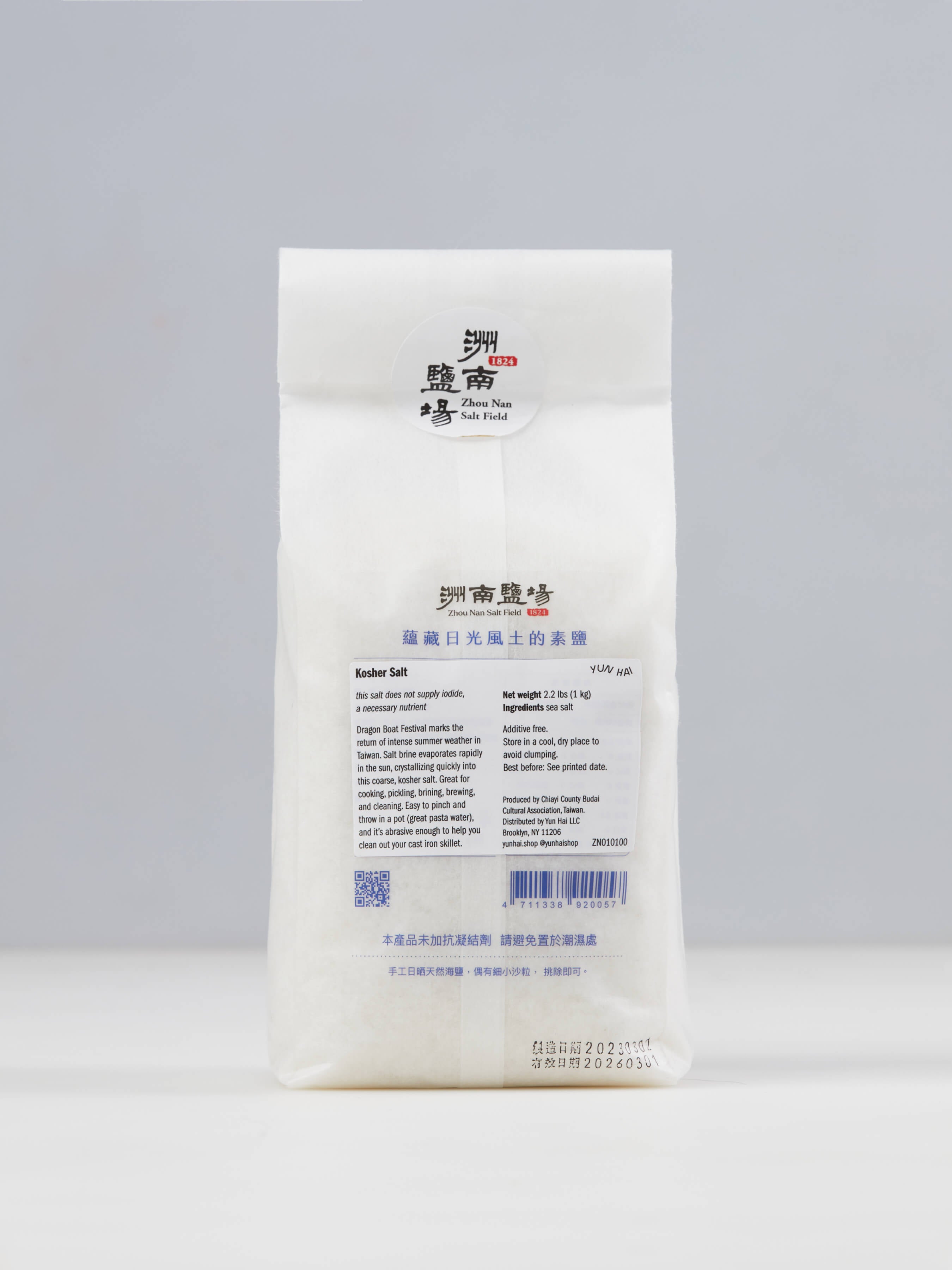
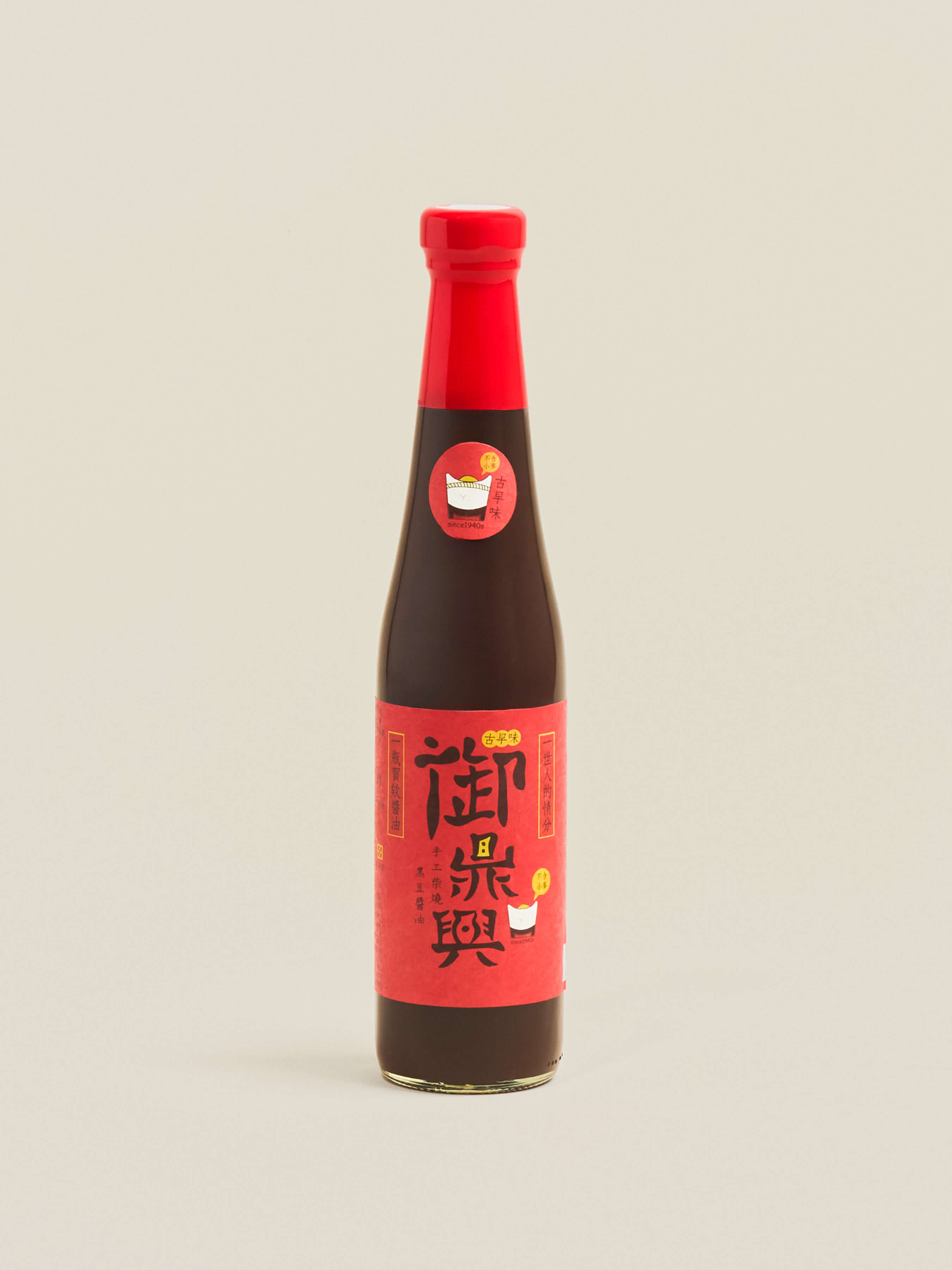
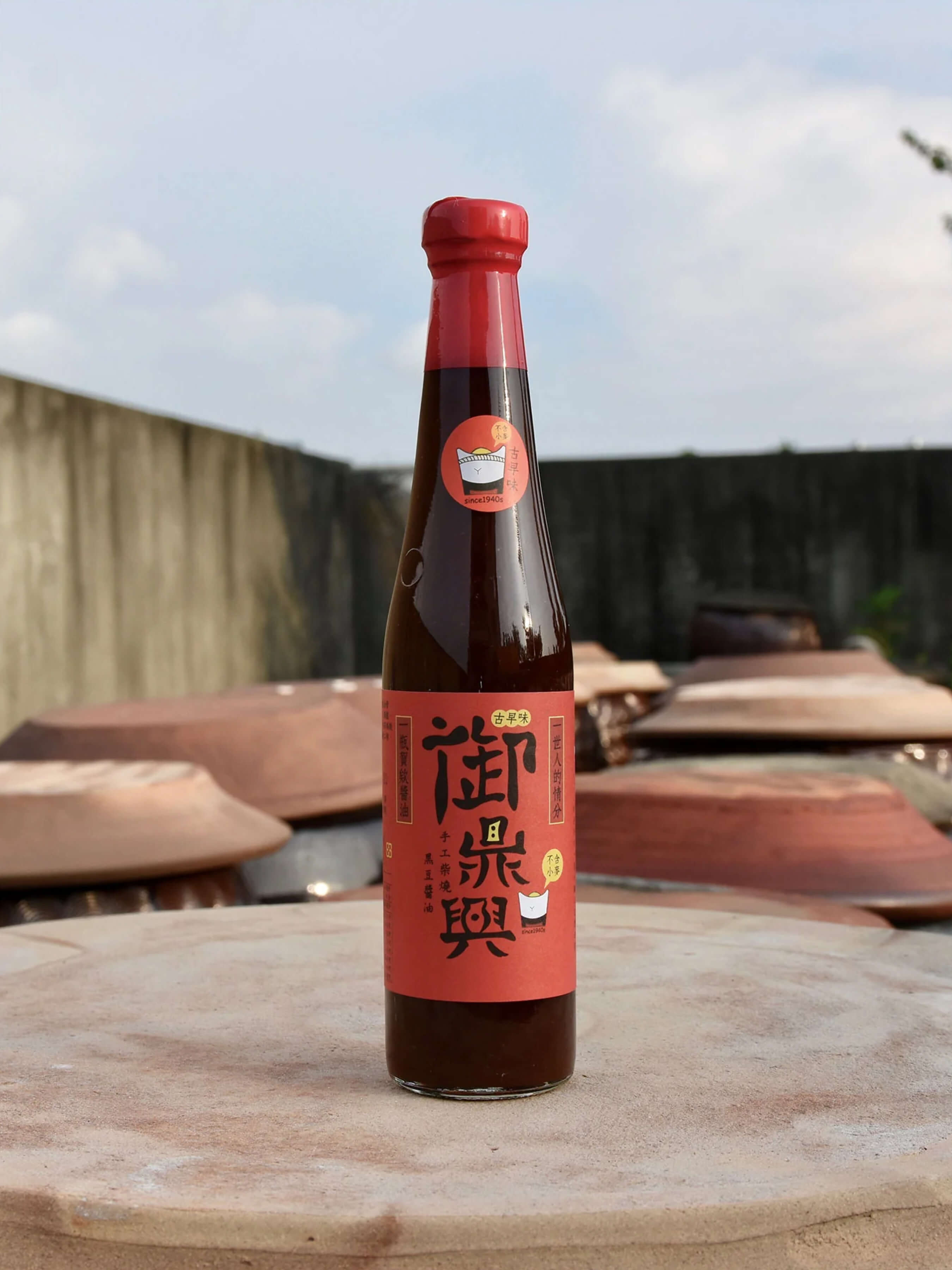
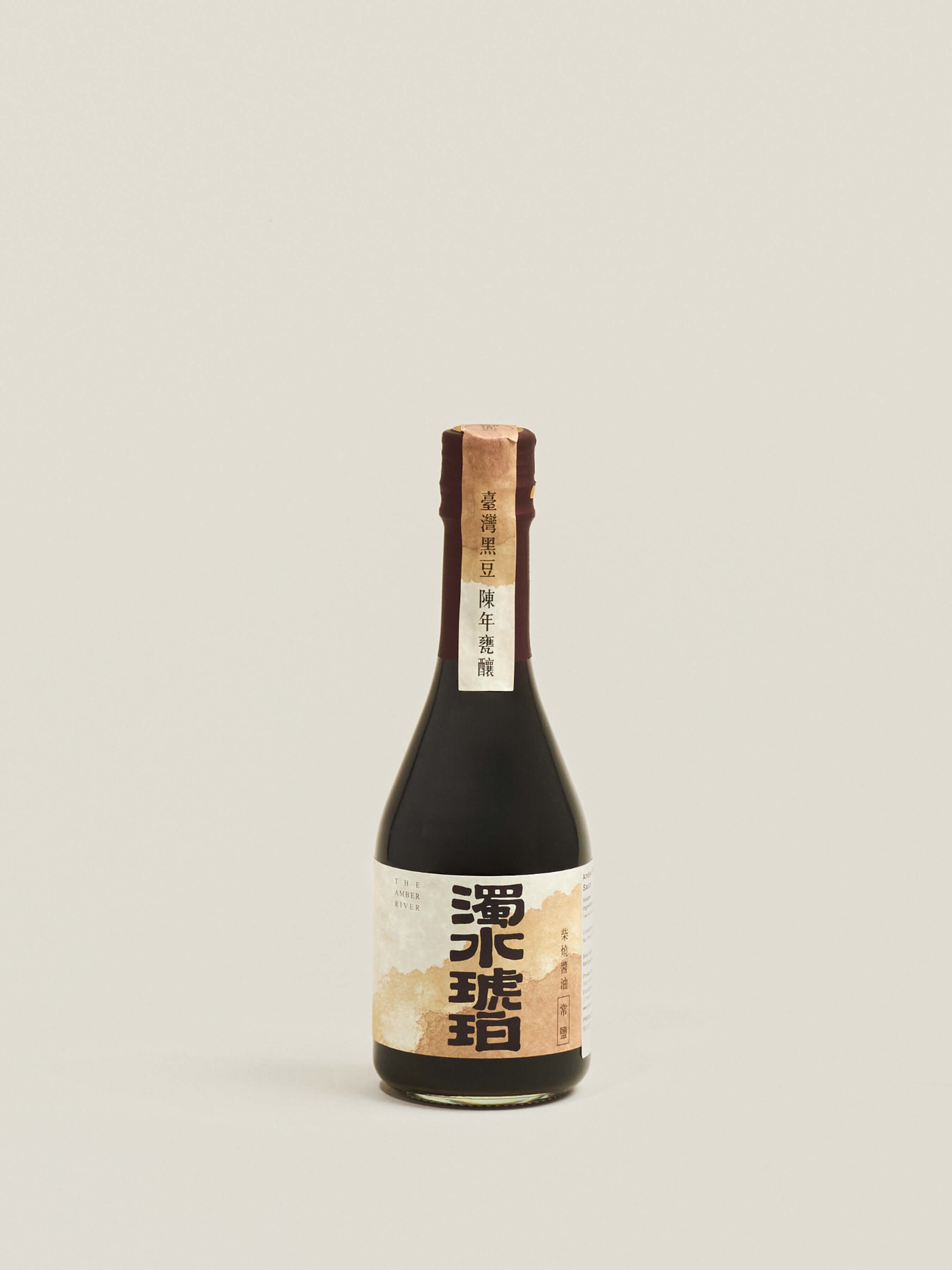
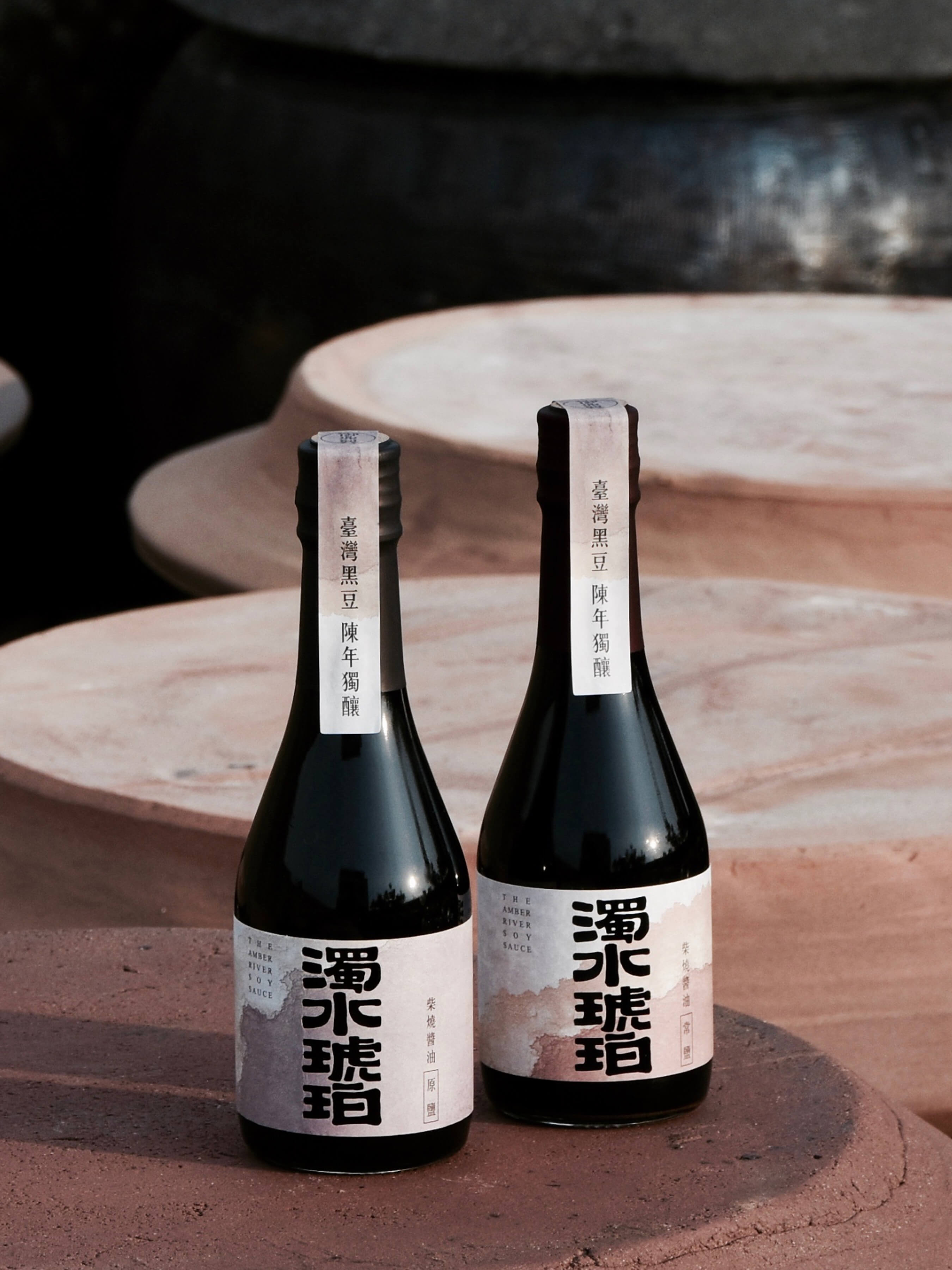
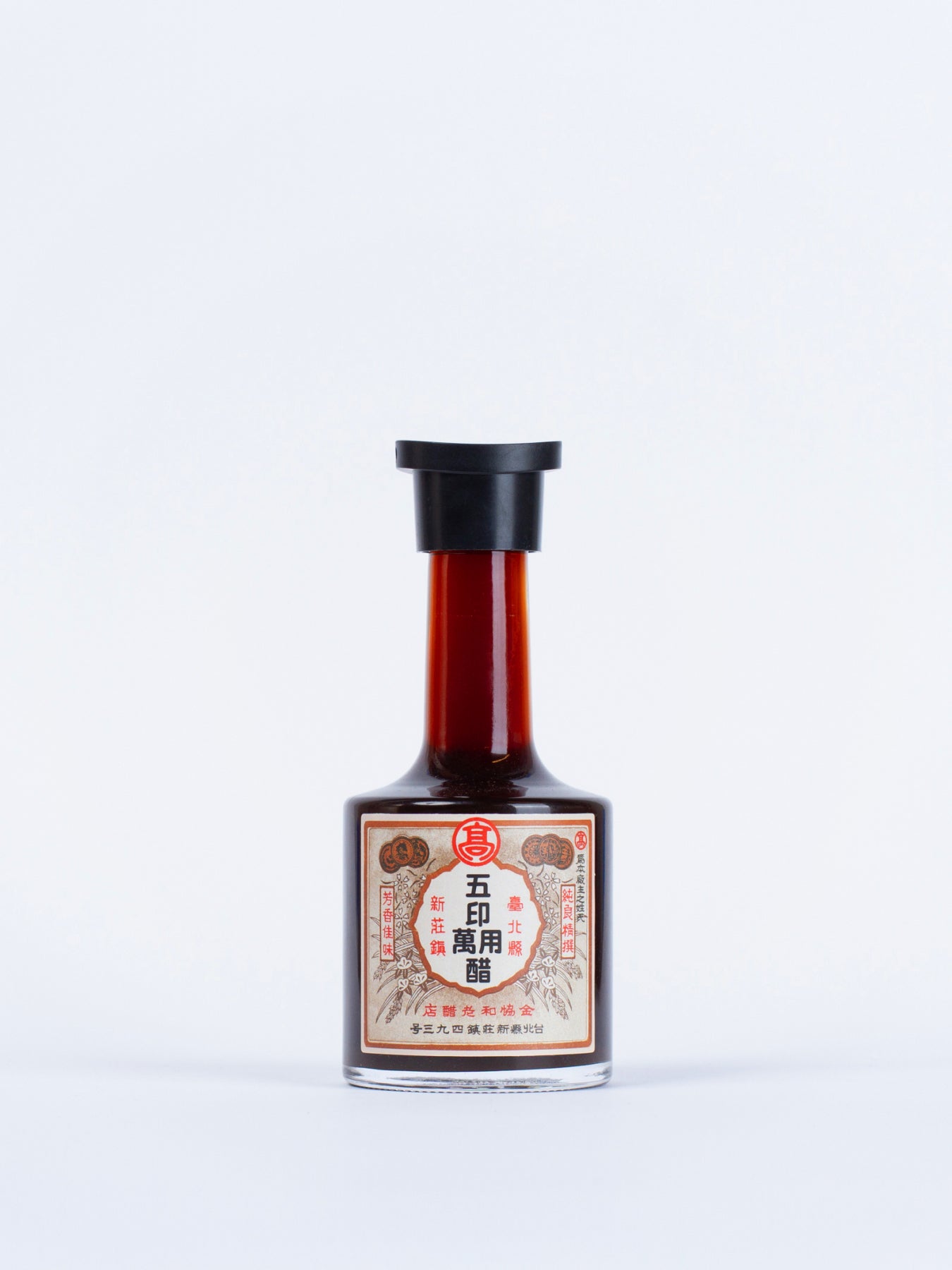
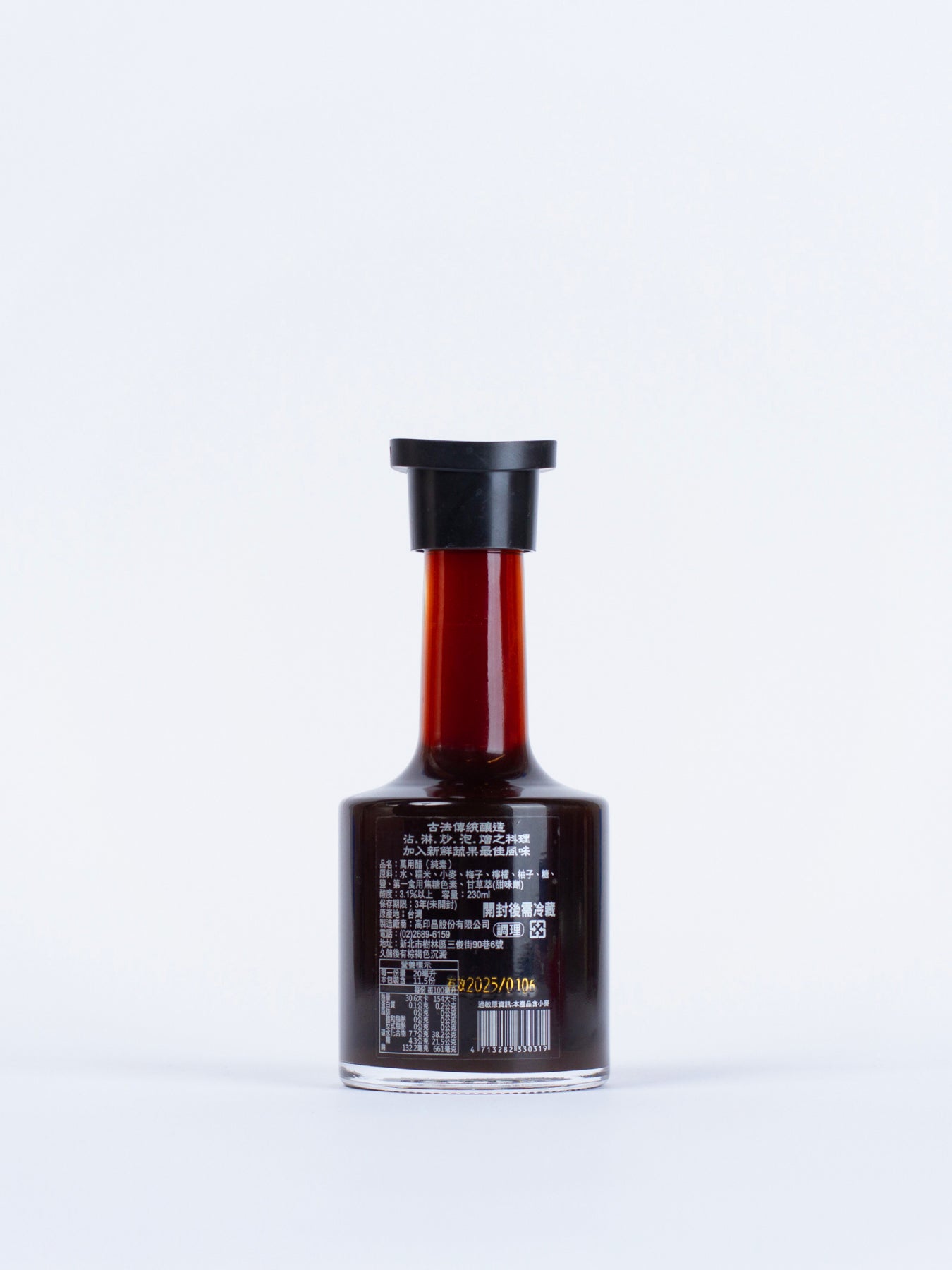
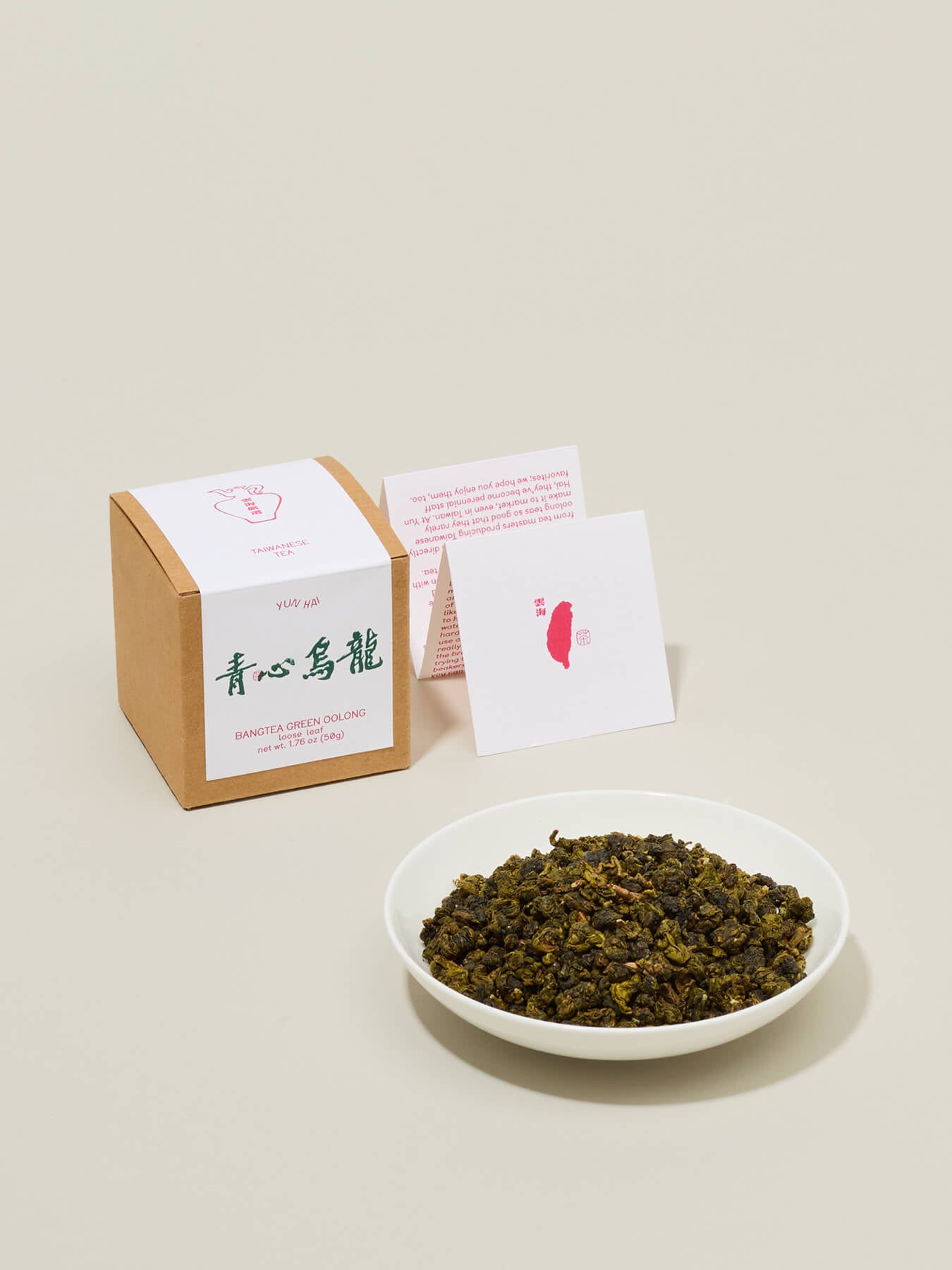
There’s a Song Dynasty proverb 開門七件事, directly translating to “seven things upon opening the door,” refers to seven items deemed essential to daily life: firewood 柴, rice 米, oil 油, salt 鹽, soy sauce 醬, vinegar 醋, and tea 茶. I'd probably add wine and sugar to this list of non-negotiables; call me decadent.
To me, a well-stocked larder is the secret to joyful, economical, and healthful eating. With these seven necessities around, you'll never feel wanting (ok except for wine and sugar). This season, we've developed seven minimal recipes that utilize these ingredients to maximum effect. They are all easy, nourishing, and flexible. They are vegetarian, but you can easily add seafood and meats: add a few clams to the steamed egg, or throw some chopped chinese bacon into the stir-fried greens. Use them as a base to improvise from and pair them with each other as you see fit.
I always say that if you don't know what to cook, start by making rice. Everything else will flow from there.
Salt is the foundation of preservation, and you can certainly make pickled cabbage with salt and time and not much more. This recipe is more of a quick pickle, and can be enjoyed just after preparing. The flavor gets better with time, but should be finished within a week or so.
I love having this around. It can function as a vegetable side dish when I don’t have time for anything else.
Tip
If you want this less sweet, cut the sugar! The Wu Yin rice vinegar we use is less sweet than commercial versions, so adjust accordingly, to taste.
Ingredients
2 lbs Taiwanese flat cabbage, or other style of cabbage
Core the cabbage, separate the leaves, and cut into squares or diamonds, about palm size.
2
Peel and julienne the carrot.
3
Thinly slice the peppers, if using.
4
Cut the flesh from the salted plums and cut into small strips, if using.
5
Rub the carrot and cabbage with salt. Let sit.
6
While the cabbage is marinating, make the brine. Bring sugar and rice vinegar to a boil with two cups of water. Remove from heat.
7
After an hour, squeeze out the cabbage.
8
Once the cabbage is drained, add the slivered peppers and plum and toss together. Place cabbage mixture in a clean jar (or jars) with an airtight lid. You’ll likely need two quart-sized jars or equivalent.
9
Pour brine over cabbage, ensuring the contents are submerged. Close and refrigerate.
10
Pickles can be enjoyed almost immediately, but will develop the best flavor if soaked overnight and consumed within a week.
Recipe by: Lisa Cheng SmithServes: 2Prep:
10 minCook:
5 minTotal:
15 min
One of the easiest ways to get dinner on the table is to make a cold-dressed salad of whatever vegetables you might have on hand. You’ll have to prep your raw ingredients a bit. For cucumber: slice and salt. For spinach or other greens: blanch, then put into a cold water bath, and squeeze out all the moisture. For lotus root or potato: slice thinly, soak in water with a couple tablespoons of vinegar, and blanch lightly. For eggplant: cut into strips, soak in vinegar water, and steam until soft.
Here, I'm using lotus root.
Tip
This sauce also makes a great dumpling sauce, by the way!
Mix the sauce ingredients together, then taste and adjust seasoning if desired. Set aside.
2
Prep your raw ingredients. In this example, I use fresh lotus root, so I’ll take you through that.
3
Peel the lotus root, then slice thinly.
4
Rinse the lotus root slices to remove the excess starch. Place in a bowl and cover with water. Add in the white vinegar and soak for 15 minutes.
5
While it’s soaking, bring a pot of water to boil. Once boiling, drain the lotus slices then blanch them for 30 second, or until the water comes back to a boil. Take a bite to test, they're done when they are no longer starchy. Be sure to keep them crunchy.
6
Remove to an ice bath to cool, then drain.
7
Pat dry.
8
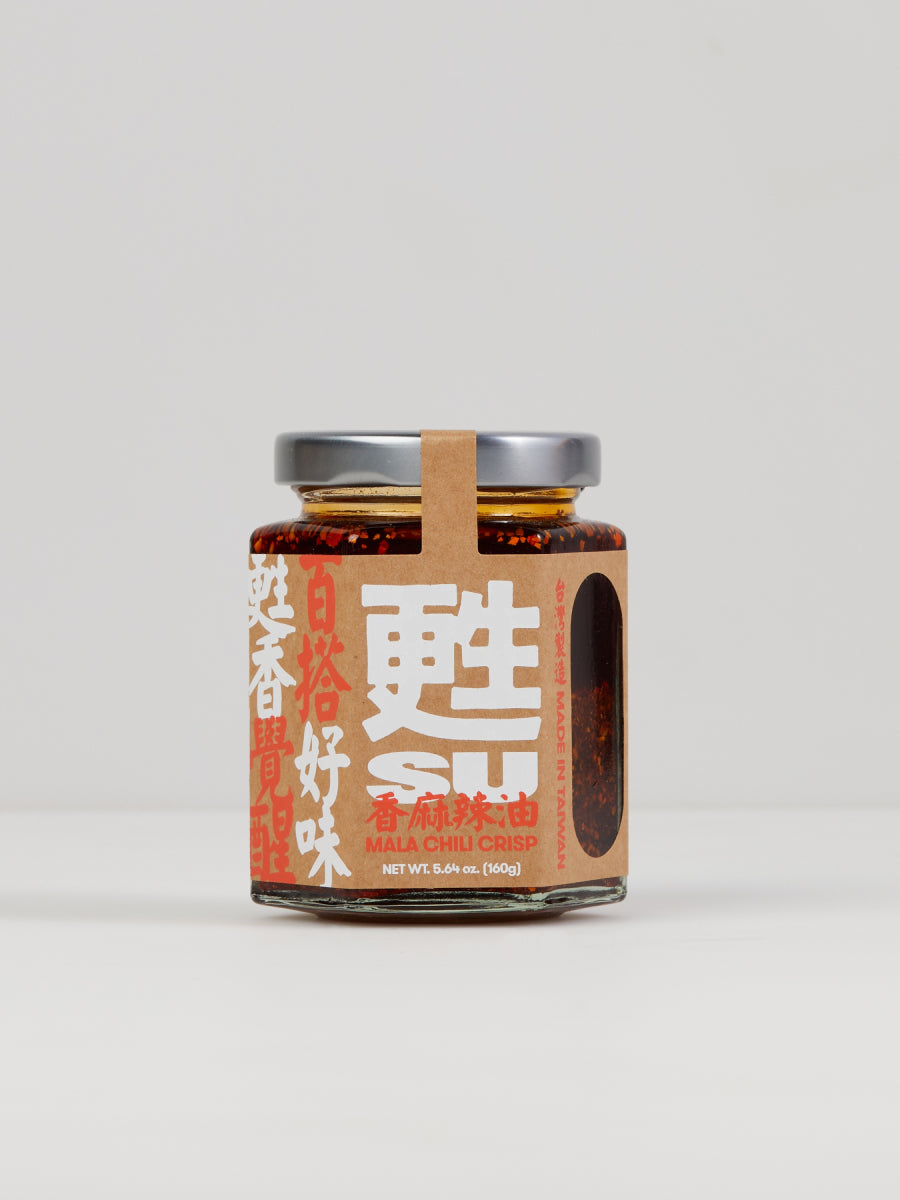
Place into a new bowl or serving plate, and pour the sauce over top. Garnish with chopped herbs, chili crisp, and flaky salt, if desired.
Recipe by: Lisa Cheng SmithServes: 2Prep:
10 minCook:
20 minTotal:
30 min
This is a simple formula for noodle soup any night of the week: put seasonings and fats into the bowl, heat up stock, and cook the noodles separately.
Assemble altogether in the bowl, and supplement with whatever you have on hand. Shredded leftover chicken, a boiled egg, last night's stir-fry, even boiled frozen dumplings will work.
Soy sauce is rich enough to form a stock from water and nothing else, if you don’t have broth on hand.
Tip
On broth: you don't need canned chicken broth to make this work. I favor chicken bouillon powder or sometimes I'll just boil a couple of dried shiitake or a piece of kombu together in water to add some flavor and nutrition.
Recipe by: Lisa Cheng SmithServes: 2 to 3Prep:
5 minCook:
35 minTotal:
40 min
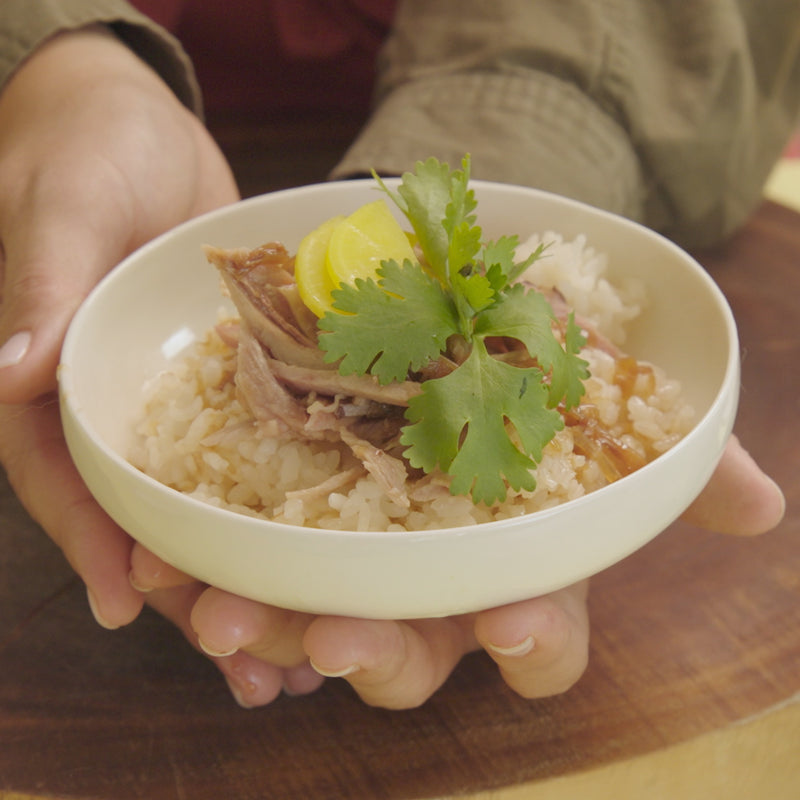
If you don’t know what to cook for dinner, start by putting on a pot of rice. The problem all of a sudden gets much easier to solve.
Supplement rice with any of the small dishes from the Seven Necessities menu (linked below), or stir fry any bits and bobs you have around. Broccoli stem with ground pork? Yes. Scrambled eggs with Jalapeño? Yes, anything goes.
Tip
For a little extra color and nutrition, consider swapping a half cup of rice with the equivalent amount of red quinoa.
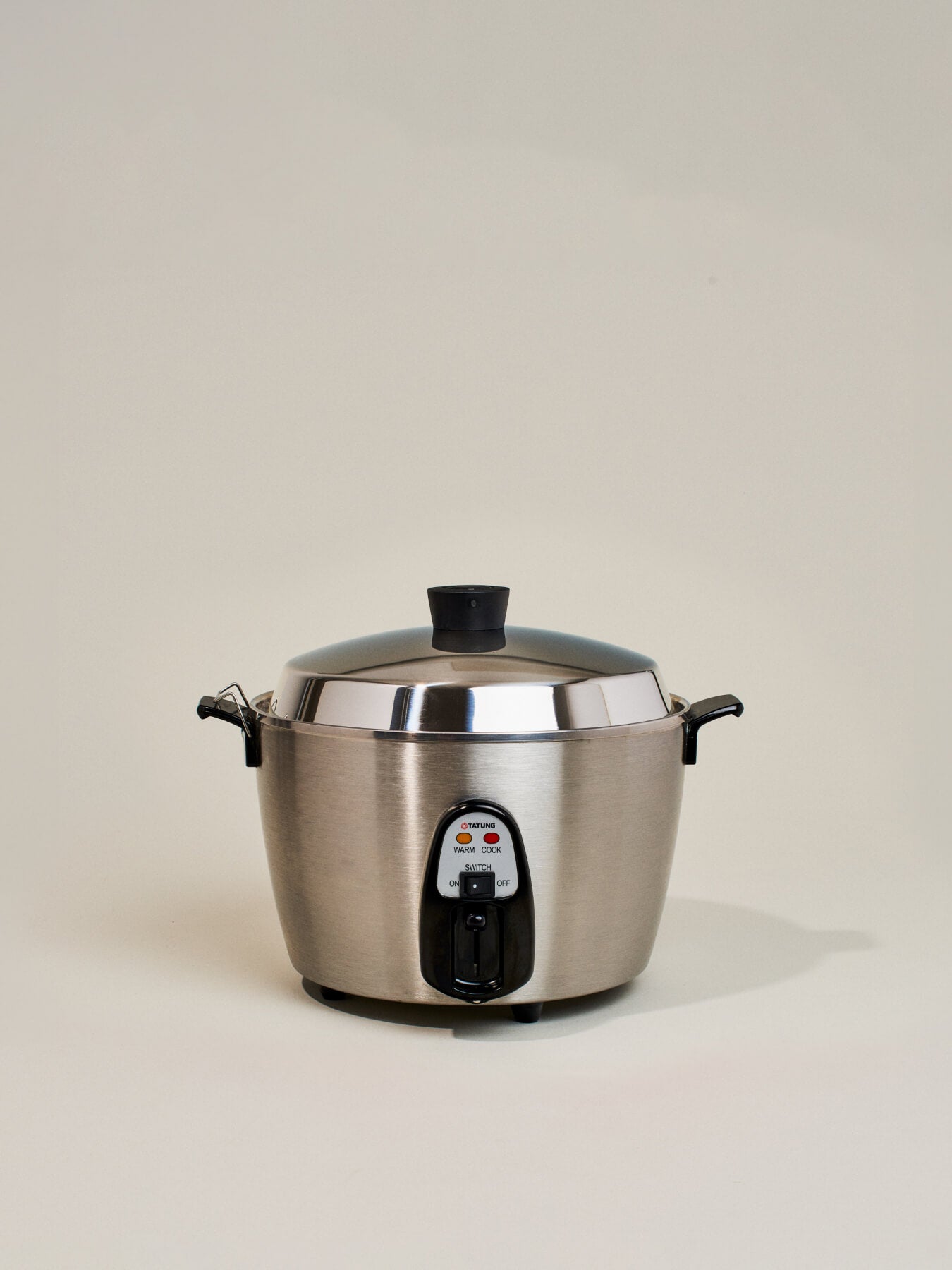
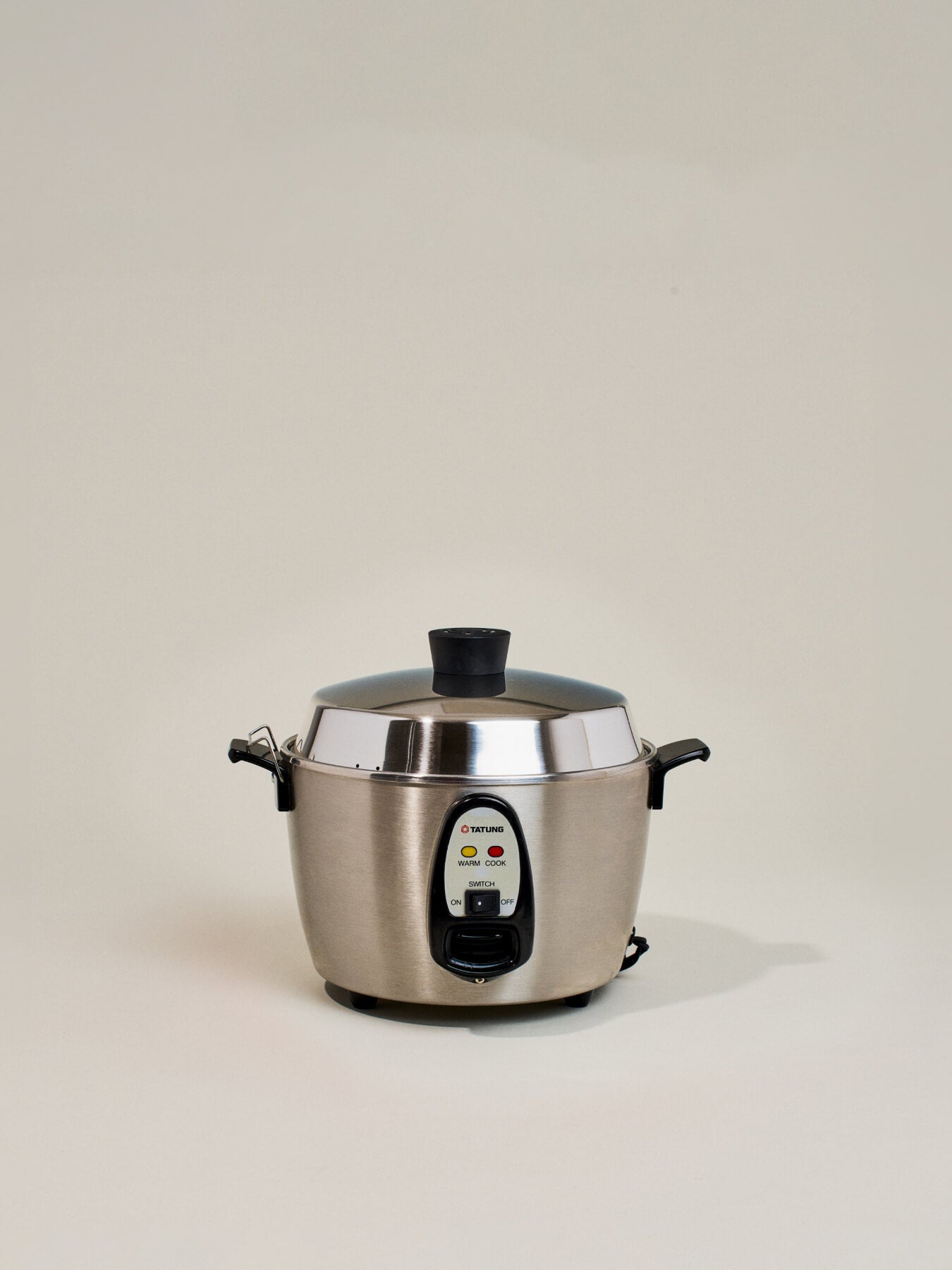
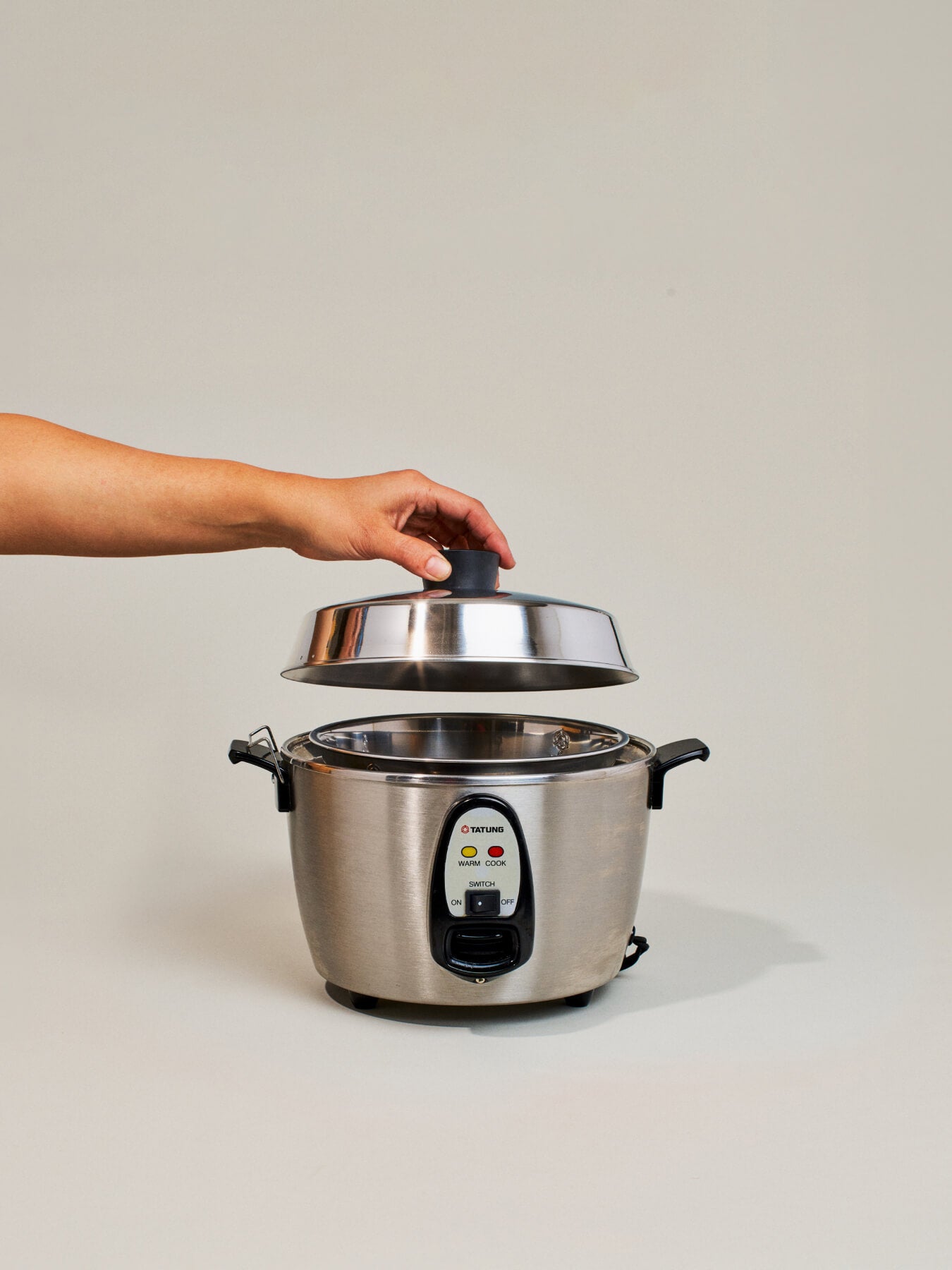
Measure out dry rice into the inner pot using the rice measuring cup that came with the Tatung.
2
Wash the rice a few times: fill the inner pot with water, agitate the rice with your hands, then pour the water out, using a strainer or your hand to keep grains of rice from escaping. Do this 3 or 4 times, or until the water runs relatively clear. It may still be a bit cloudy, but you should be able to see the individual grains of rice.
3
Drain the rice and return it to the inner pot. Then fill with 2 rice cups of water.
4
Pour 1 rice cup of water into the outer pot.
5
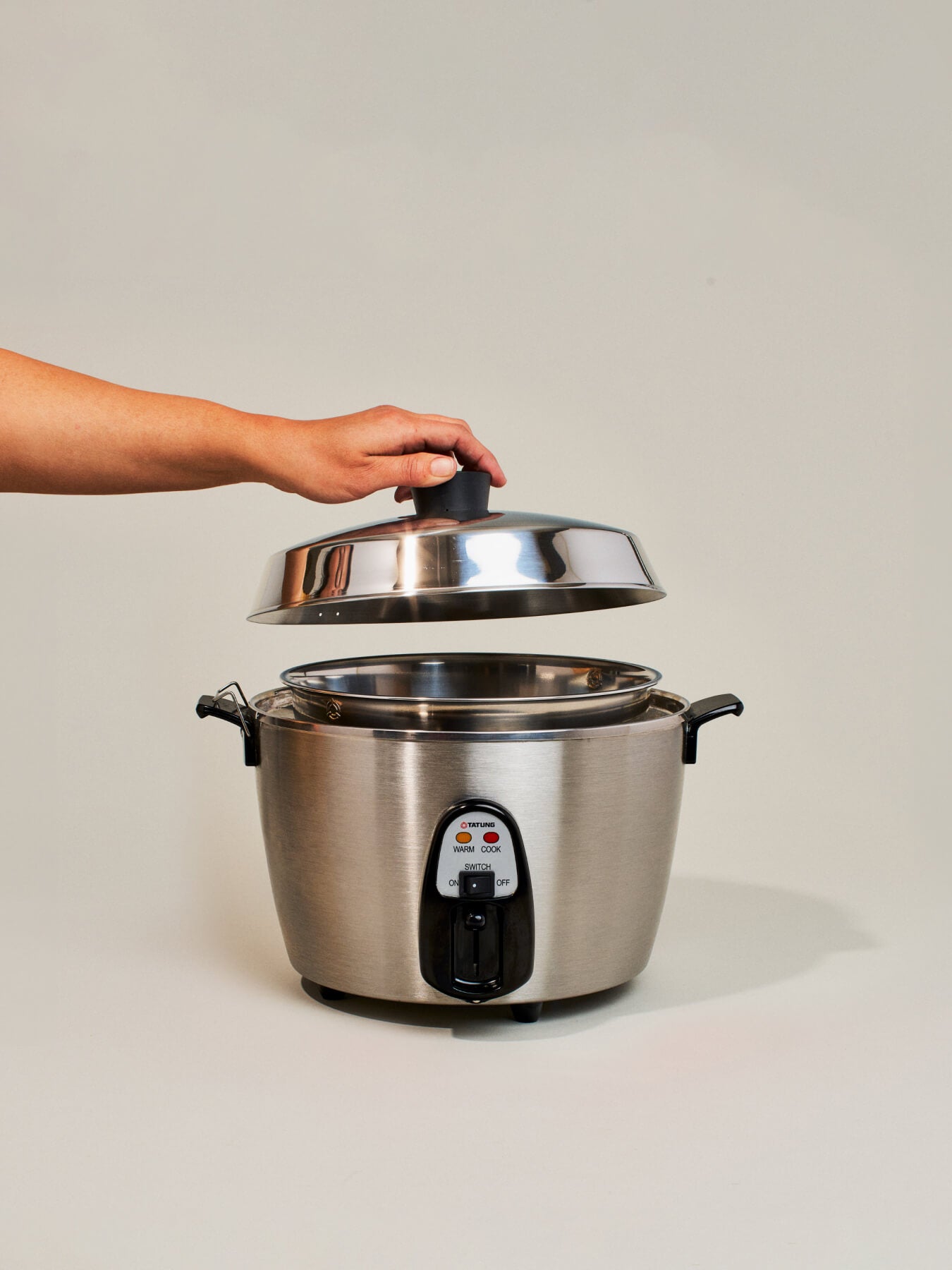
Place the inner pot into the Tatung, put the lid on, and press the switch.
6
Once the switch pops up, leave the lid closed for 10-15 minutes for best results.
7
Open the Tatung, fluff the rice with the included paddle, and serve!
https://yunhai.shop/pages/recipe/steamed-rice
主餐 main dishes
蒸蛋
Steamed Egg
Recipe by: Lisa Cheng SmithServes: 2Prep:
10 minCook:
25 minTotal:
35 min
This is a nourishing, savory custard made from nothing more than eggs, water, salt, and steam. To modify, use broth or bouillon instead of water, splash in some rice wine, and add in easy cooking seafood (like a couple clams or small peeled shrimp) or a few cubes of silken tofu. Garnish with what’s on hand; my preference is soy sauce, a hit of chili oil, and a scattering of chopped green onion. For a full meal, serve with steamed rice and the stir-fried veggie sides.
Crack eggs into a bowl. Add chicken stock, dashi, or water, rice wine, and salt.
2
Whisk heartily until the egg and water are fully mixed; the color should be uniform and it will froth. Taste a tiny bit of the mixture and add more salt if needed.
3
Using a medium-mesh strainer, strain egg mixture into a heatproof bowl that will fit in your Tatung or stovetop steamer, leaving an inch or so of room at the top of the bowl for the eggs to rise. You don’t have to strain the egg, but doing so will yield a silkier texture. Use a rubber spatula to press the egg through the strainer if needed. There will be some egg white material left in the strainer.
4
Using a spoon, scrape off any bubbles that may have formed at the top of the egg mixture in the bowl.
Tatung Steaming
5
Tatung Steaming: Add 1 rice cup of water (~180 ml) into the outer pot of the Tatung. If you are not using a bamboo steamer stacked onto your Tatung, carefully place the heatproof bowl on the steamer insert inside the Tatung and cover with foil. Do not close the lid fully. Place two chopsticks on either side of the top of the pot and then put the lid on, leaving a small gap. Doing this will reduce the strength of the steam so that the egg doesn't overflow or become rough in texture. Stovetop Steaming: If you are using a stovetop set up, bring the water to a boil first, then place the heatproof bowl on a steamer plate. Cover tightly and turn the heat to medium.
Stovetop Steaming
6
If you are using a stovetop set up, bring the water to a boil first, then place the heatproof bowl on a steamer plate. Cover tightly and turn the heat to medium.
7
Place the steamed egg into your steamer.
8
Let steam for 15 to 20 minutes. Once the switch pops, open the lid. The eggs may appear runny. Test with a toothpick. If it comes out clean, the eggs are done. The texture should be like very silken tofu (it will firm up as it cools).
9
Let cool with the lid open for a few minutes, then remove carefully (with a bowl clip or steamer tongs, if you have one) to avoid burning yourself.
10
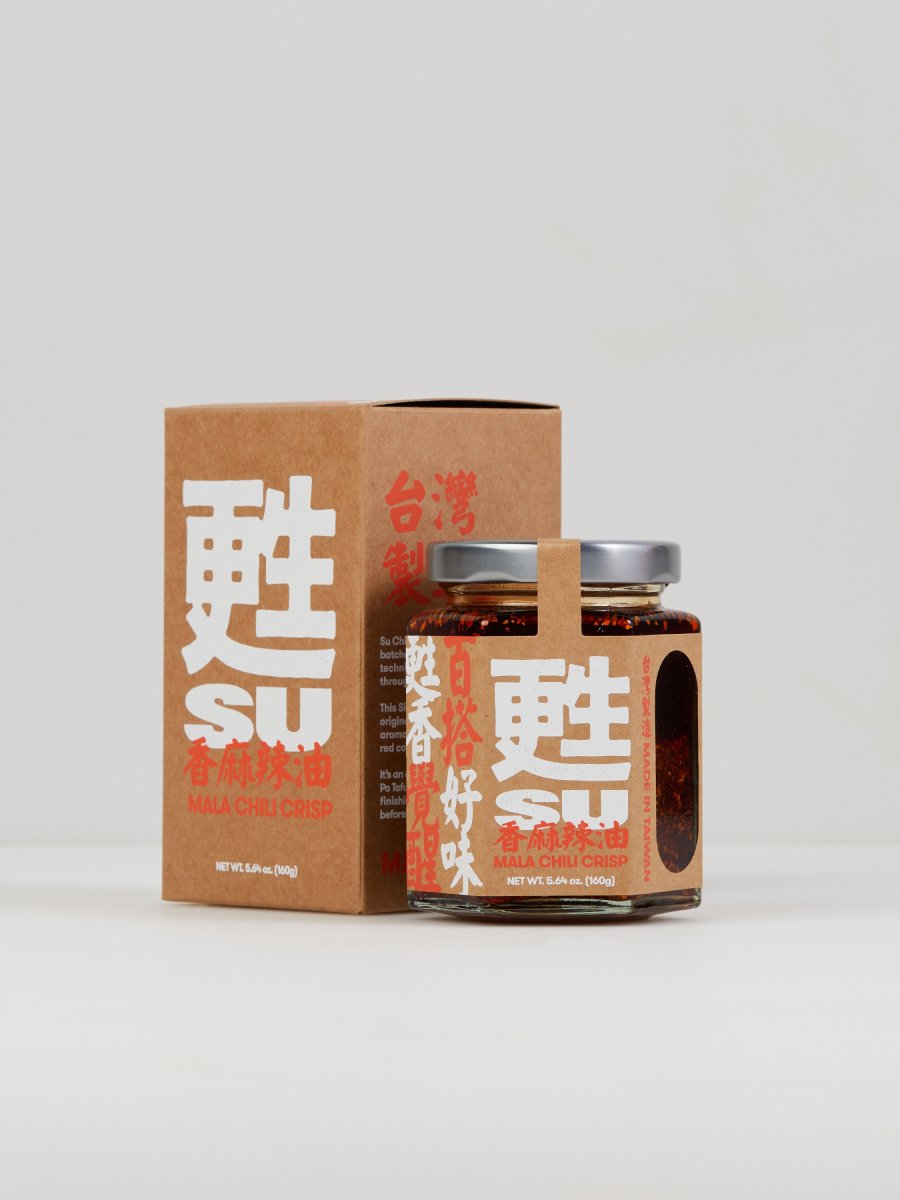
Drizzle with soy sauce, chili crisp, and white sesame oil. Top with finely sliced scallion and serve.
https://yunhai.shop/pages/recipe/steamed-egg
主餐 main dishes
炒青菜
Stir-Fried Greens
Recipe by: Lisa Cheng SmithServes: 2Cook:
10 min
This is a simple method to transform vegetables on hand into a flavorful side. This method will work for almost any leafy green from kale to AA choy (celtuce leaves), though you may need to keep an eye on the cook time. The drizzle of black sesame oil at the end lends a complex taste and a hit of nutrition. This is a great side for any meal, from breakfast to dinner.
Tip
Don’t feel the need to cook the full bunch—often, cooking smaller amounts yields better results because the leaves don’t crowd and oversteam. I don’t have exact measurements here, just judge by eye and experience. Spinach will cook down much more than a robust kale.
Ingredients
bunch of leafy green of choice (we’re using lacinato kale)
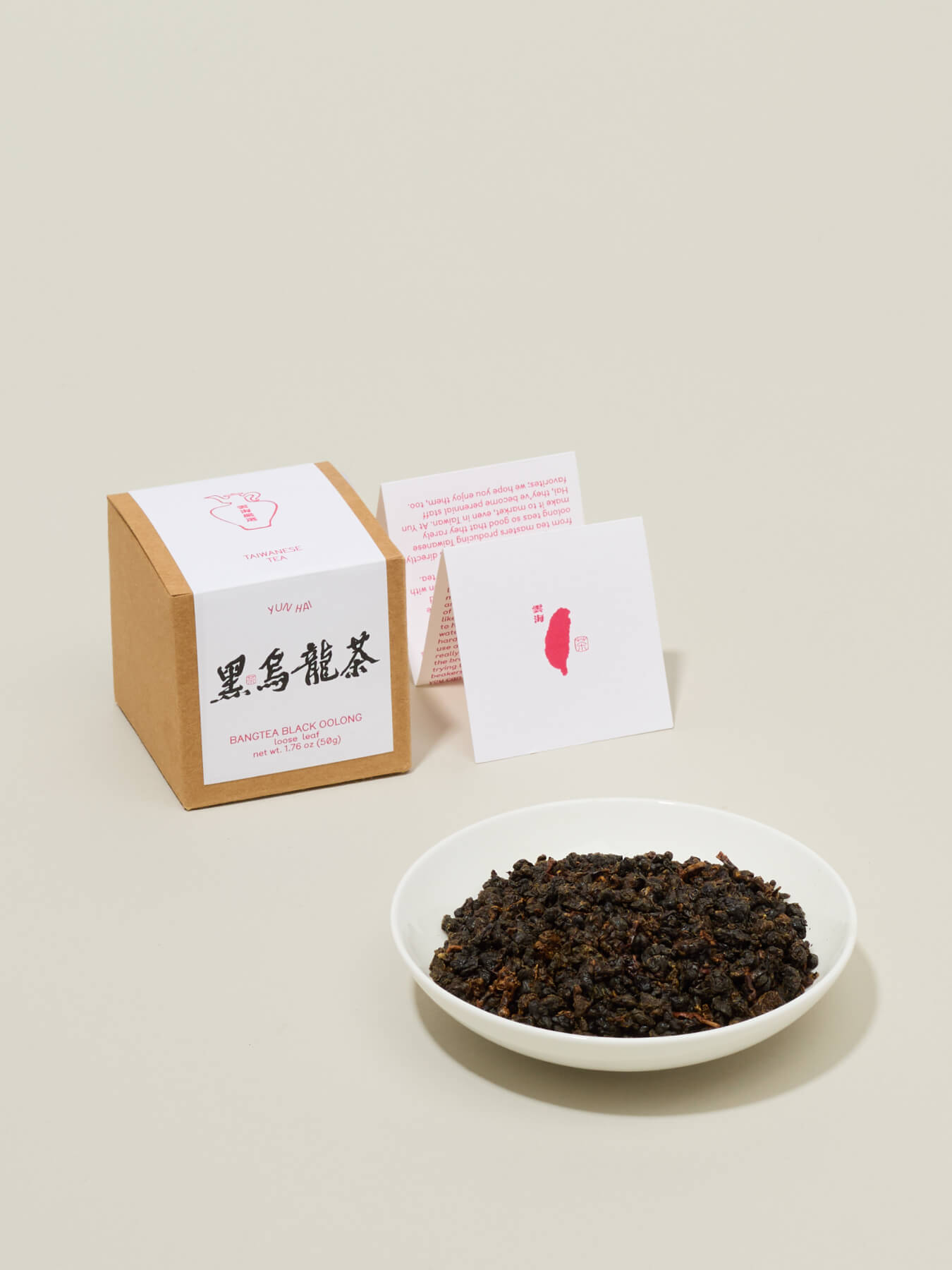
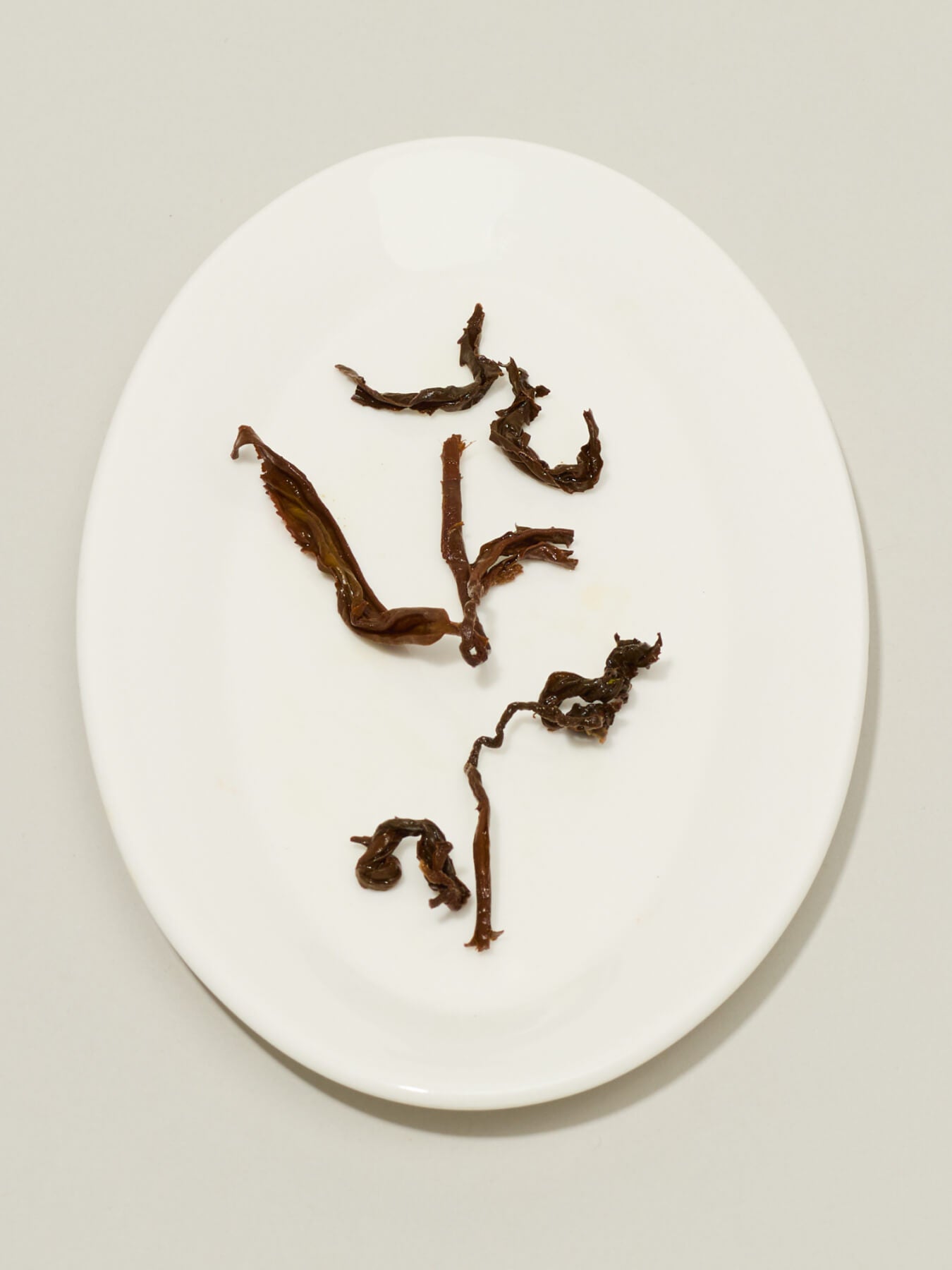
I sometimes like to make the joke that I’m no longer living, but just animated by oolong tea running through my veins like some kind of zen undead. I think it’s a bad joke, but I sure do like my tea. I’m a lazy tea brewer, and my favorite way to brew tea is grandpa style, learned from my friend Sam at BANGtea, which requires not even a teapot. If you’re using our ball-rolled oolong tea, they’ll sink down to the bottom of a mug, which allows you to drink form the same cup you brew in.
The O.G. of brewing methods. A glass + leaves + hot water = go! There’s no measuring here. It’s whatever eyeballed amount of leaves happened to fall out of your bag, and water that’s hot, most likely boiling. When you’ve drunk it down to half full, fill it back up with more water for a 2nd steep. The most hardcore practitioners of this method use a tall glass cup where you can really admire the leaves and color of the broth while burning your hands trying to hold it. We favor 200 ml pyrex beakers. Most folks go with a mug so you can actually pick it up.
Gongfu Cha 功夫茶
2
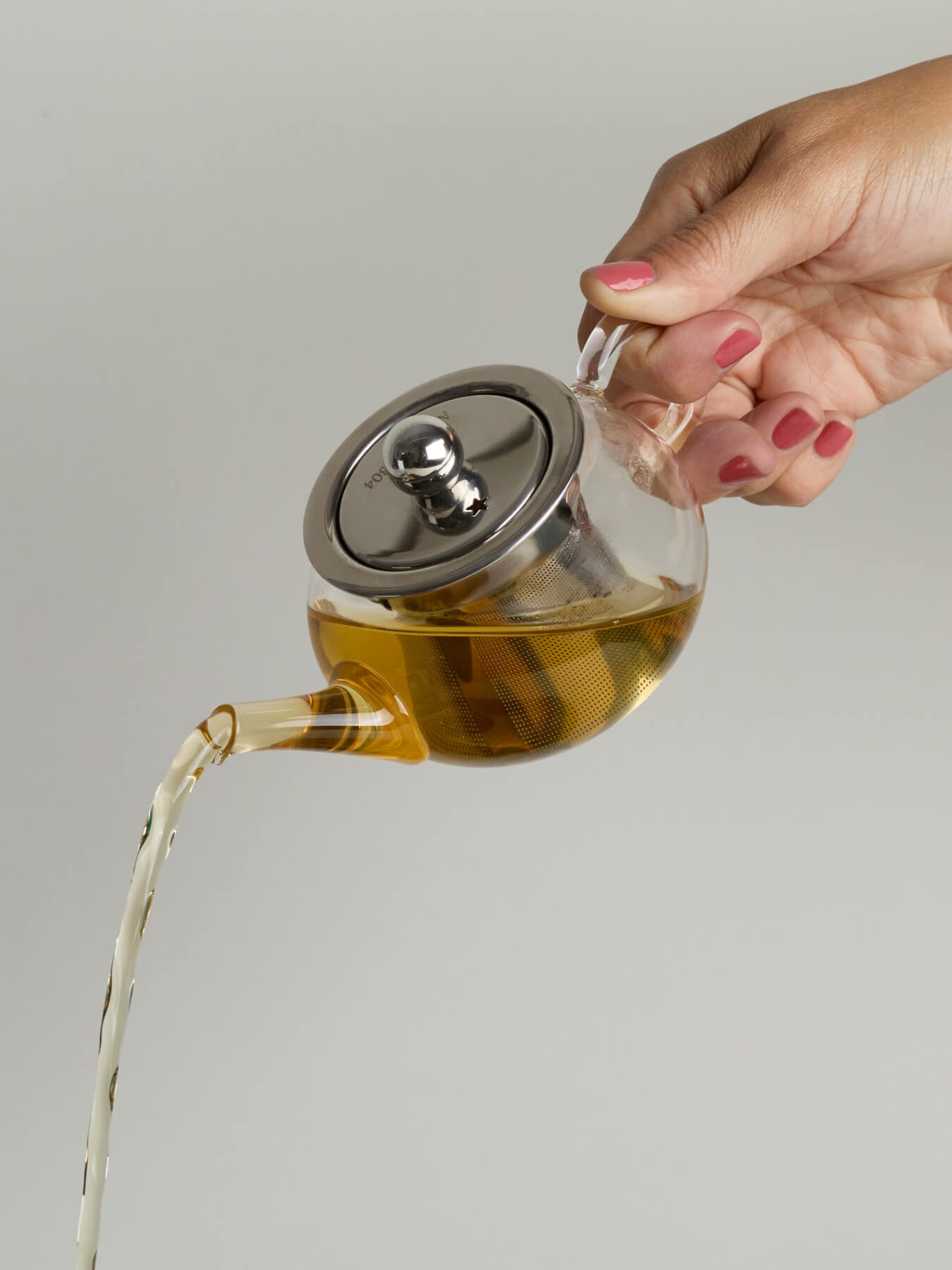
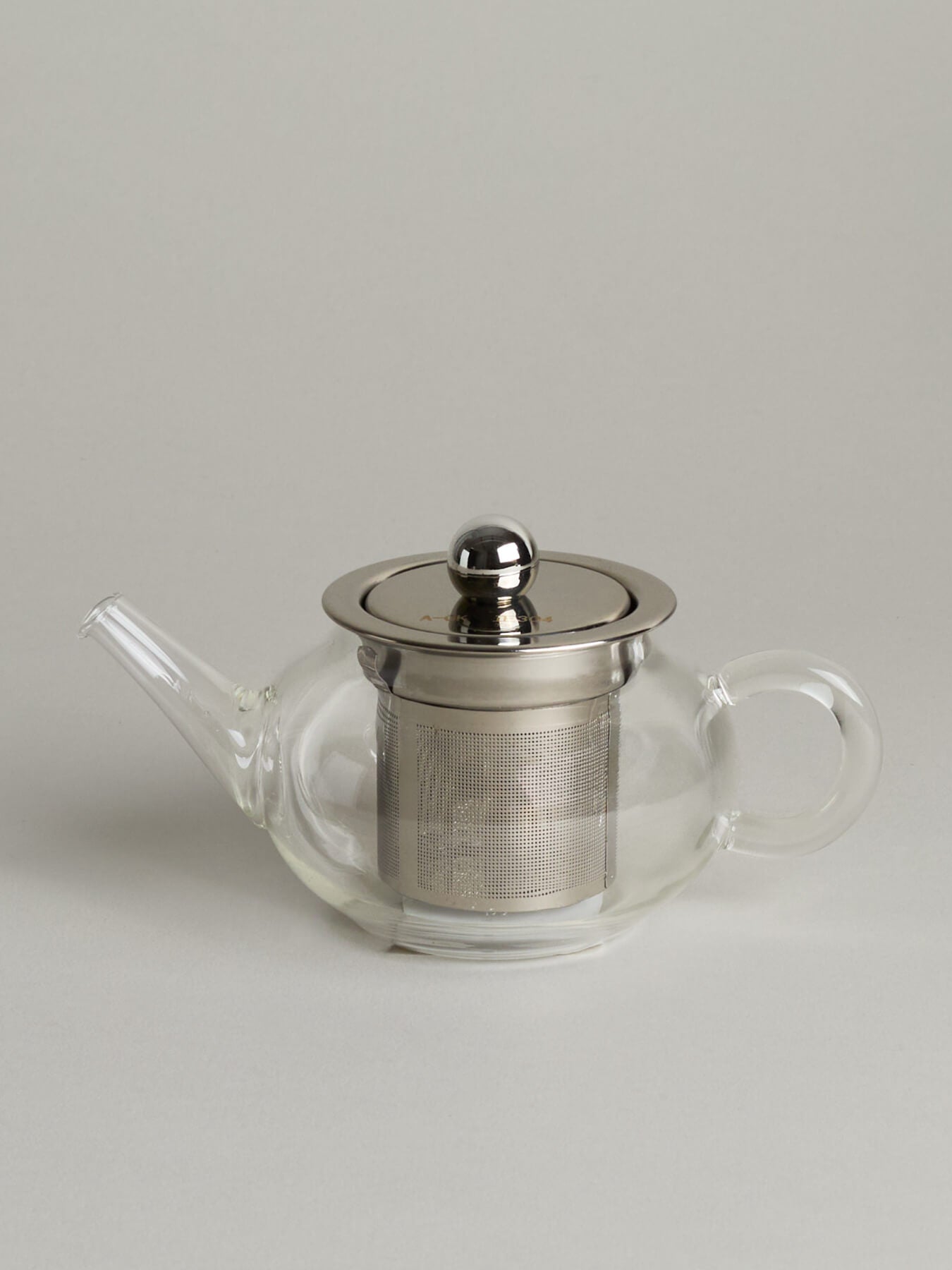
Uses small teapots or gaiwans made of clay, porcelain, or glass. These brewing devices generally hold between 110 ml - 200 ml of water per brew (or ~4-7 oz of water). Then, pour out into small 1 oz cups. We like to brew on the stronger side and will use ~5 g of tea per 150 ml device. The first steep will be hot and quick, used for rinsing the tea leaves and help the leaves start opening up. Subsequent steeps will range in duration from 30-60 seconds. A high quality oolong can be steeped upwards of 10 times! Note: The brewing recommendations printed on the package are for this method.
Cold Brew 冷泡茶
3
Just like coffee, if you cold brew tea you’ll have a slower extraction but the resulting tea will be very smooth. We recommend 8-10 g of tea leaves for a 16 oz water bottle. Throw the leaves in cold water, pop it in the fridge, and let it steep for 10 to 12 hours.