
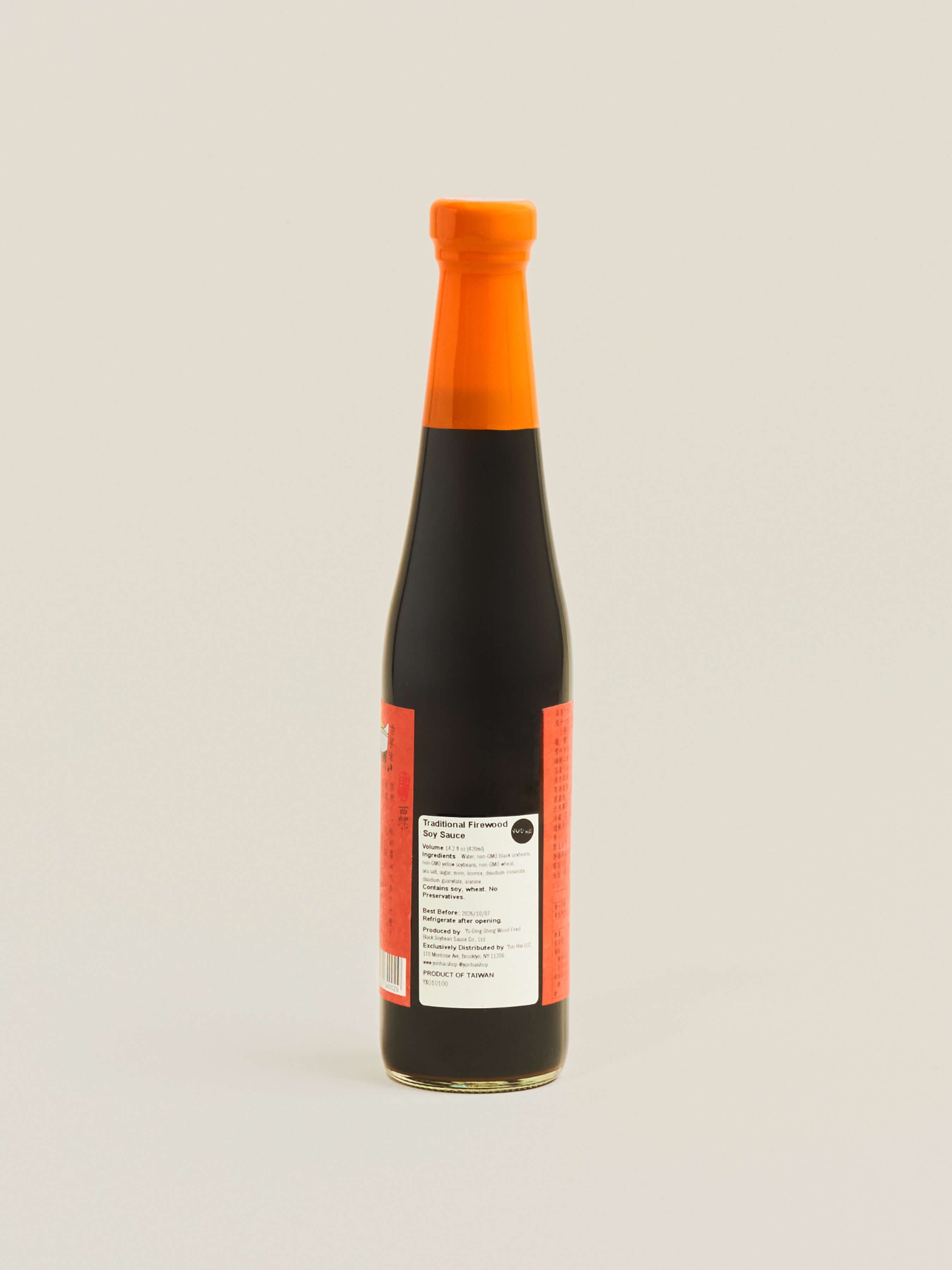
HOW IT'S MADE
XILUO, TAIWAN
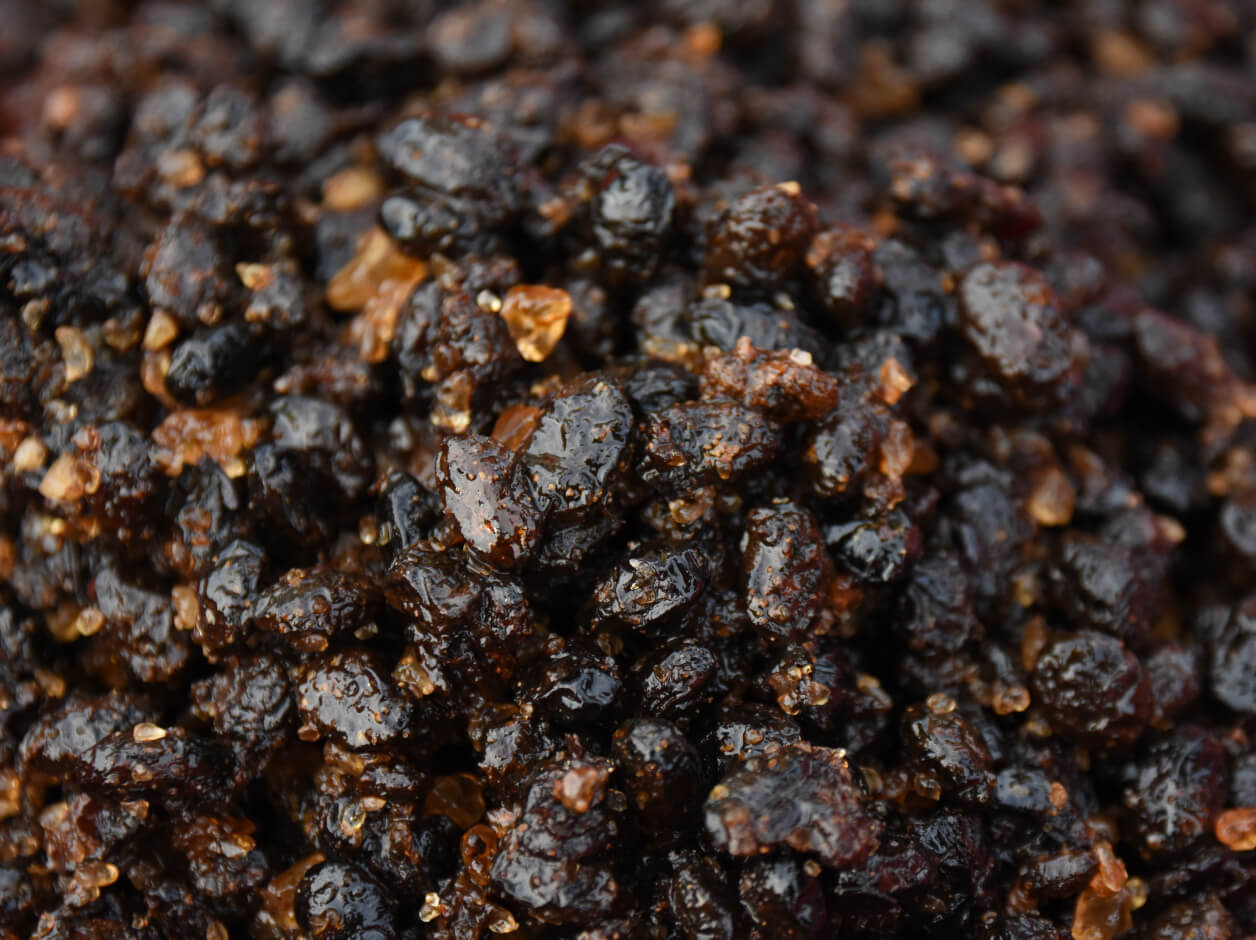
STARTING WITH THE RIGHT BEAN
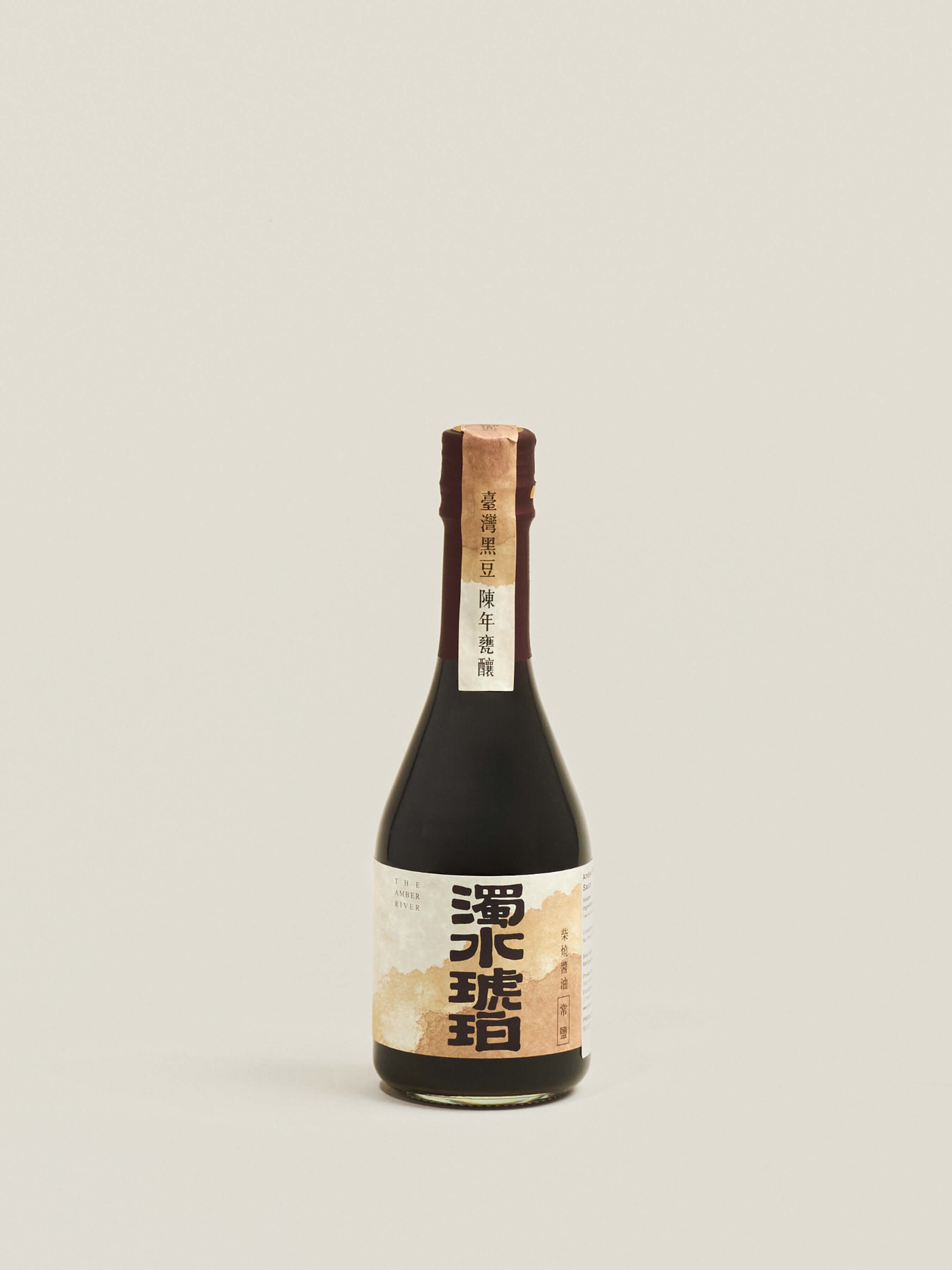
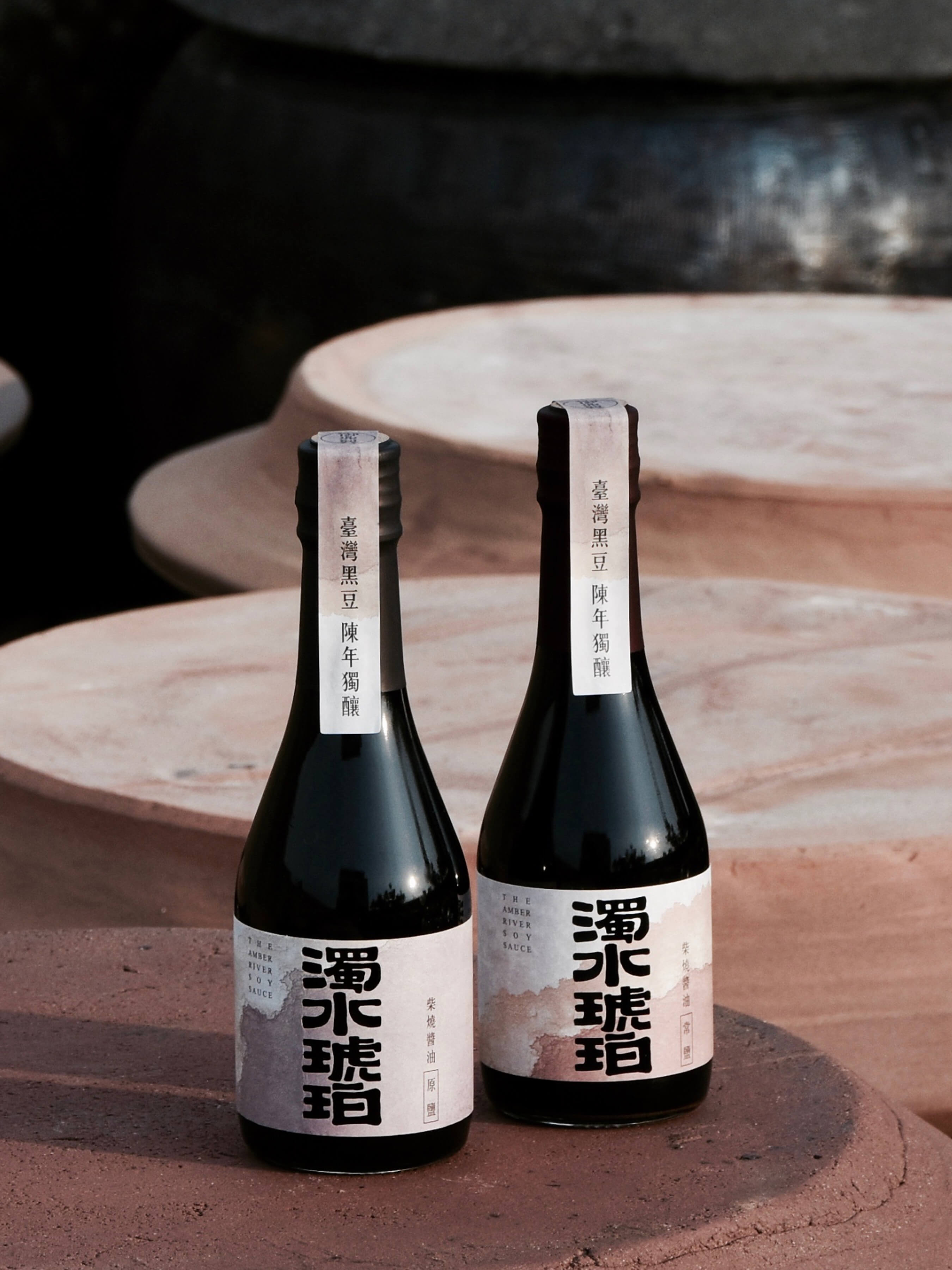
Taiwanese soy sauce begins with the black soybean. Compared to yellow soybean, its higher protein content produces deeper umami flavor when fermented. Yu Ding Xing also produces soy sauce in the Chinese and Japanese traditions using a blend of soybeans.
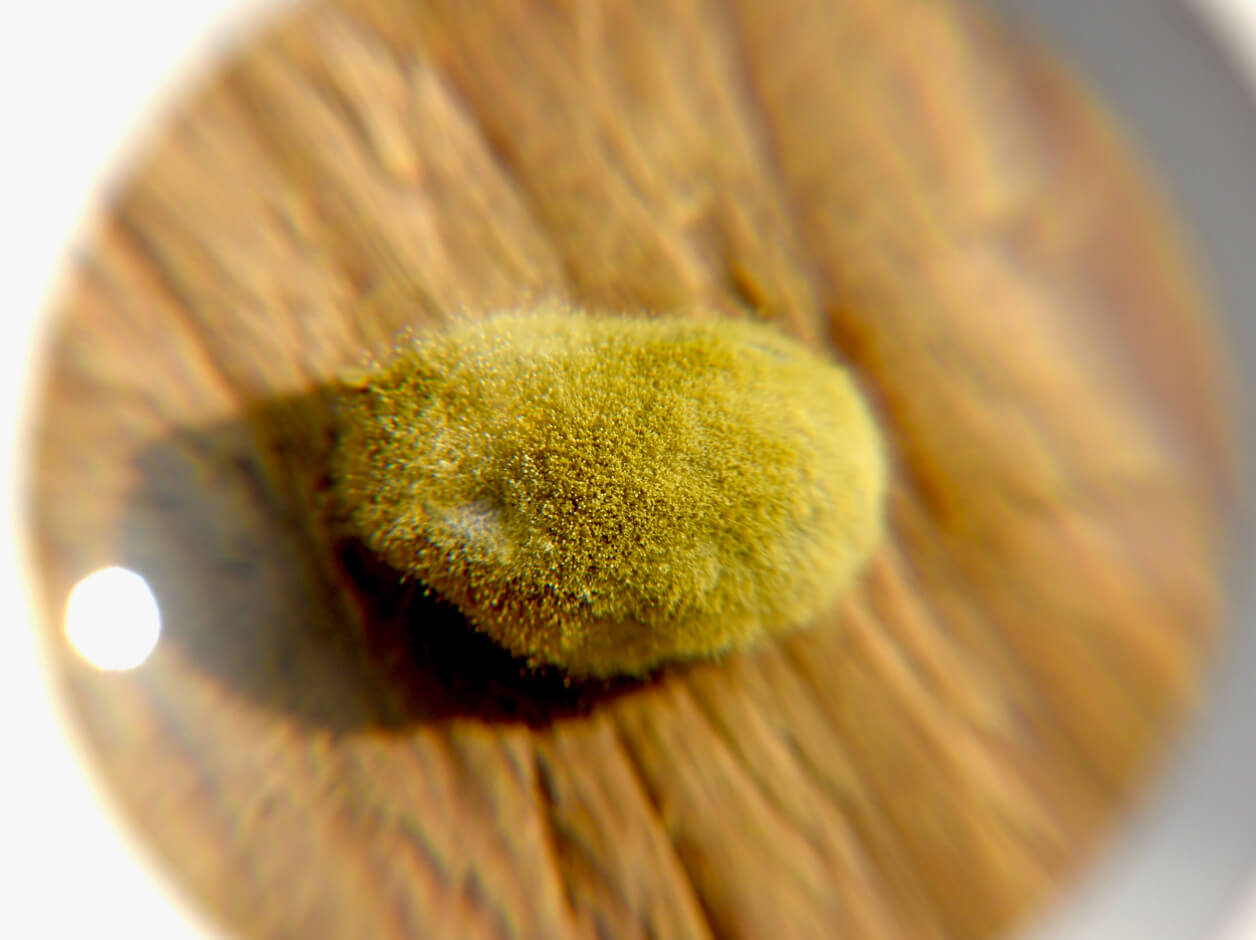
INTRODUCING KOJI culture
After the soybeans are pressure cooked, Yu Ding Xing inoculates them with koji culture. For Taiwanese-style soy sauce, they add toasted rice bran to assist the koji with fermentation, whereas for Chinese or Japanese-style soy sauce, they add wheat.
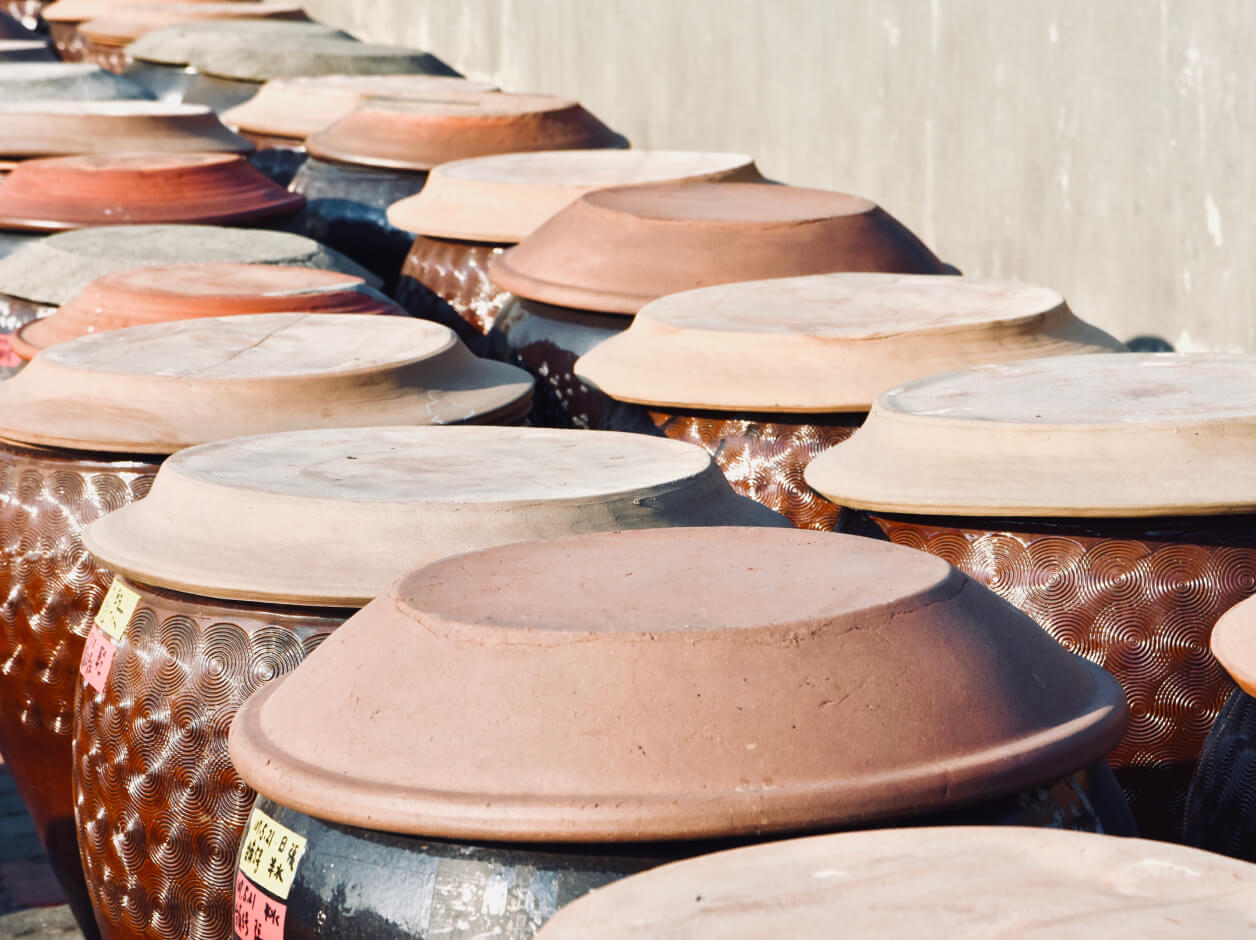
Fermenting Flavor in Clay Vats
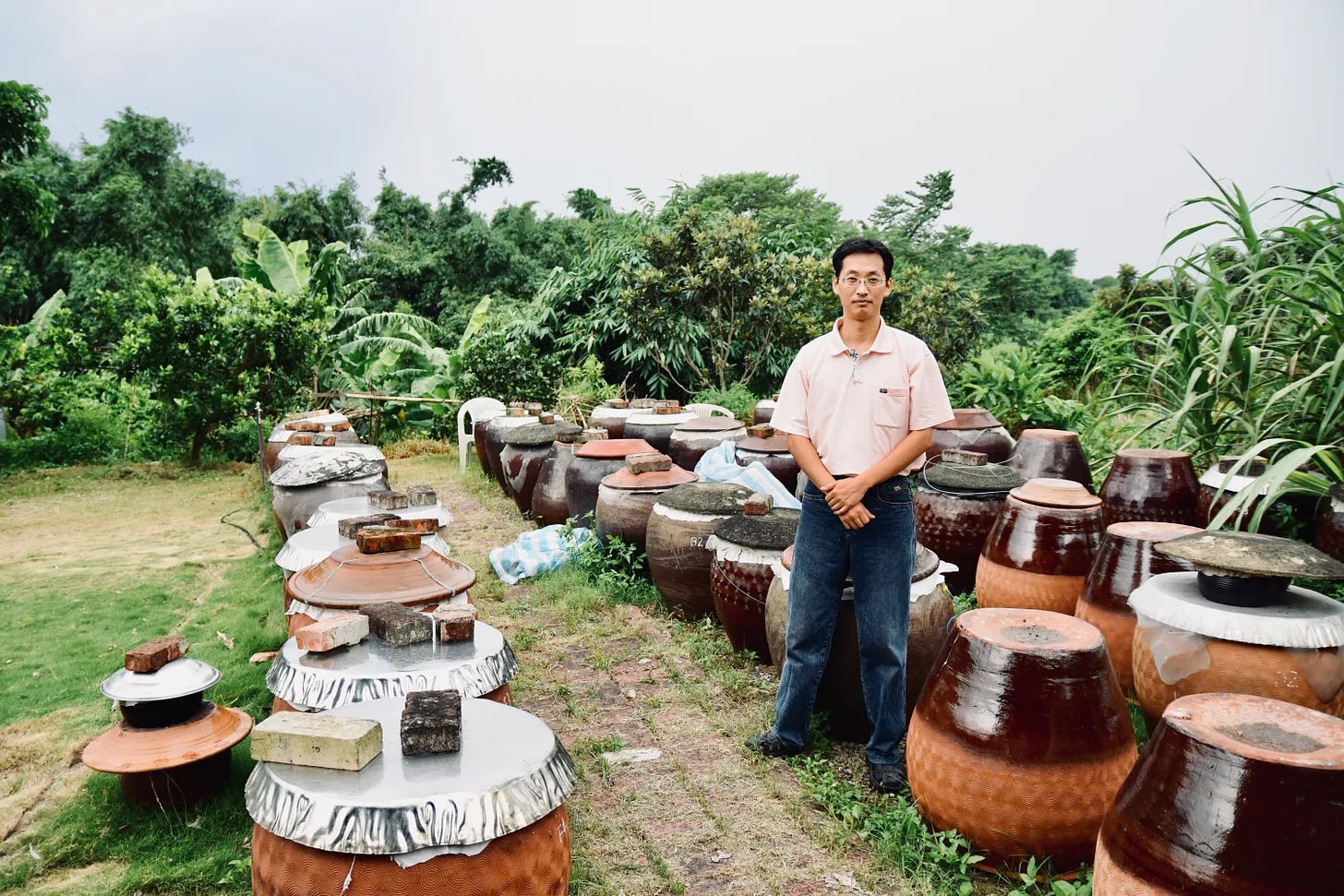
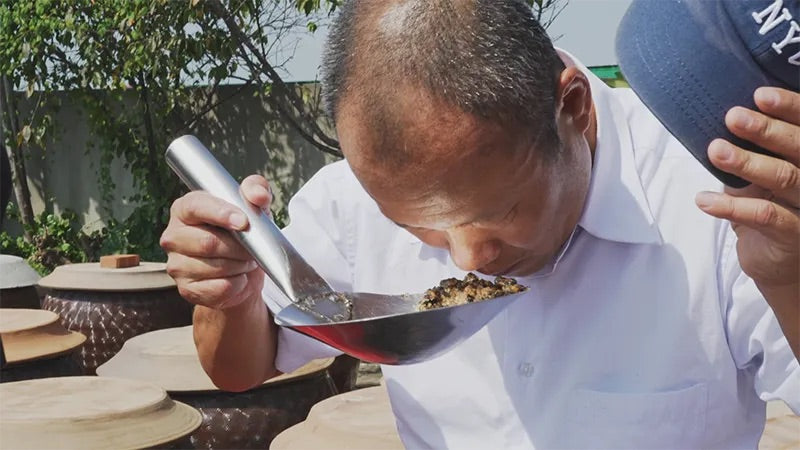
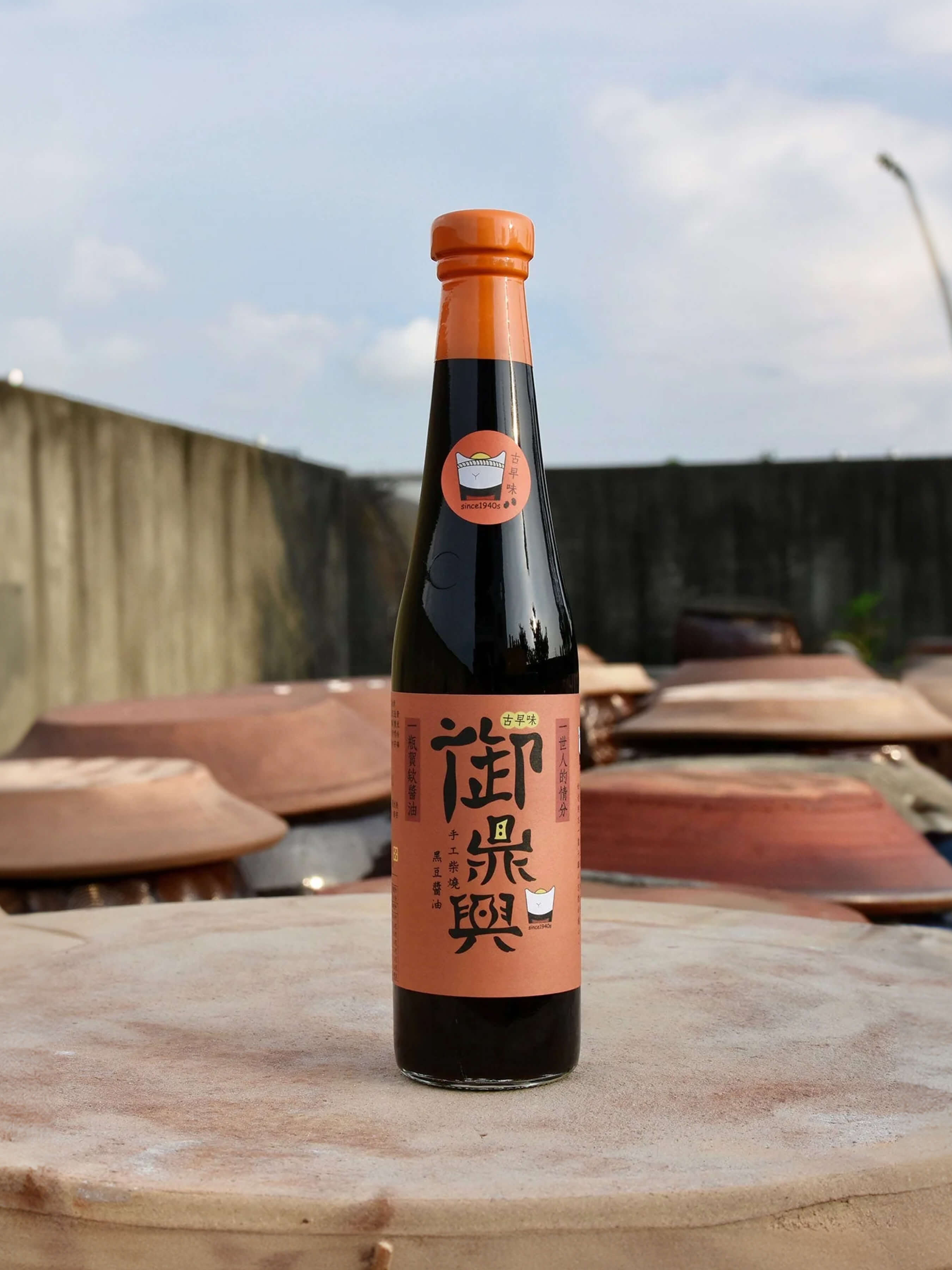
Following a few days of initial fermentation, the beans are rinsed, mixed with sea salt and water, then packed into a terracotta vat to ferment under the sun for at least six months. Many vats at Yu Ding Xing are decades-old.
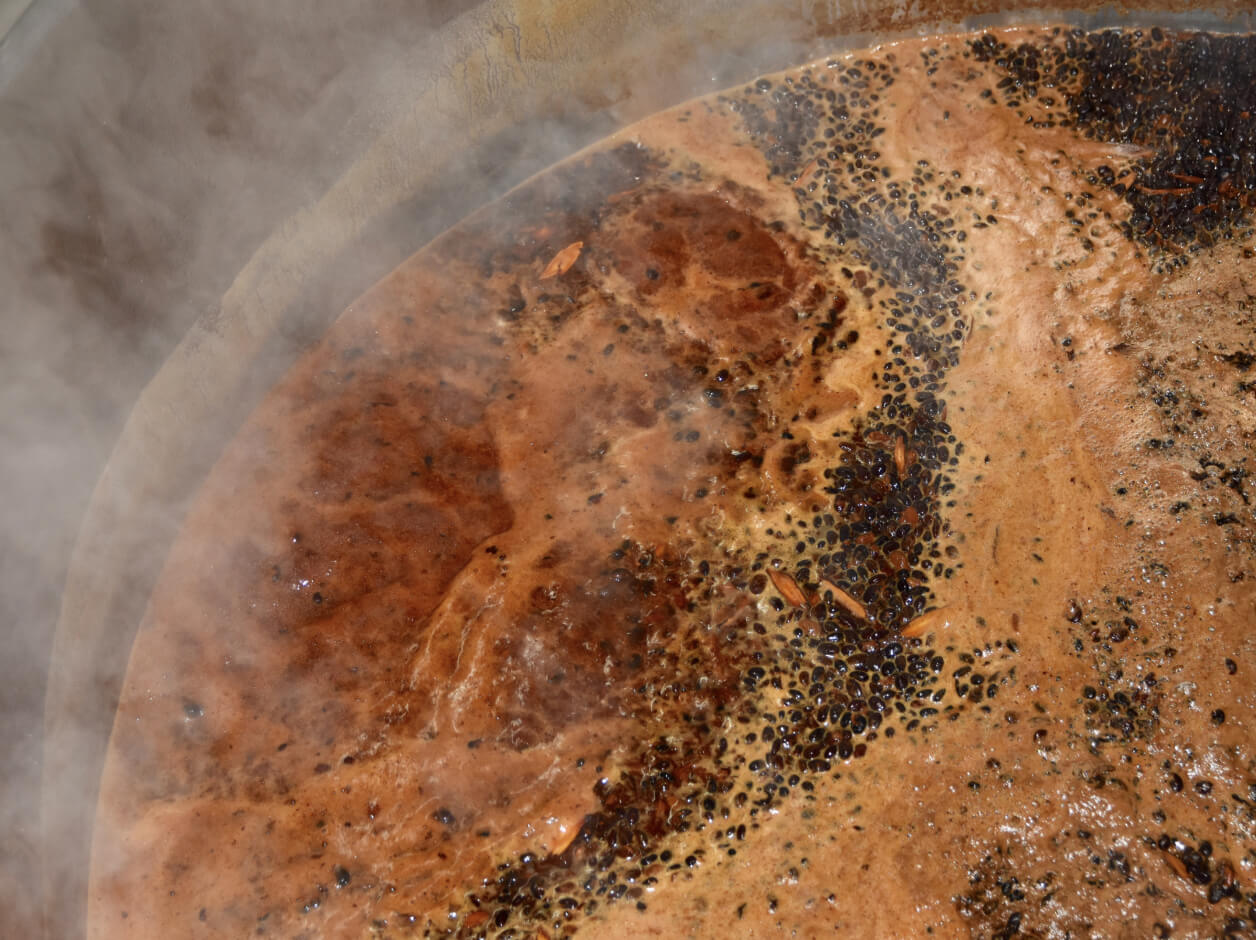
ROASTING OVER A WOOD FIRE
The brew is extracted from the vat, pressed, then heated over a wood fire to stop the fermentation process. Although labor-intensive, slow-cooking the soy sauce over a fire enhances its flavor.
SOY SAUCE RECIPES
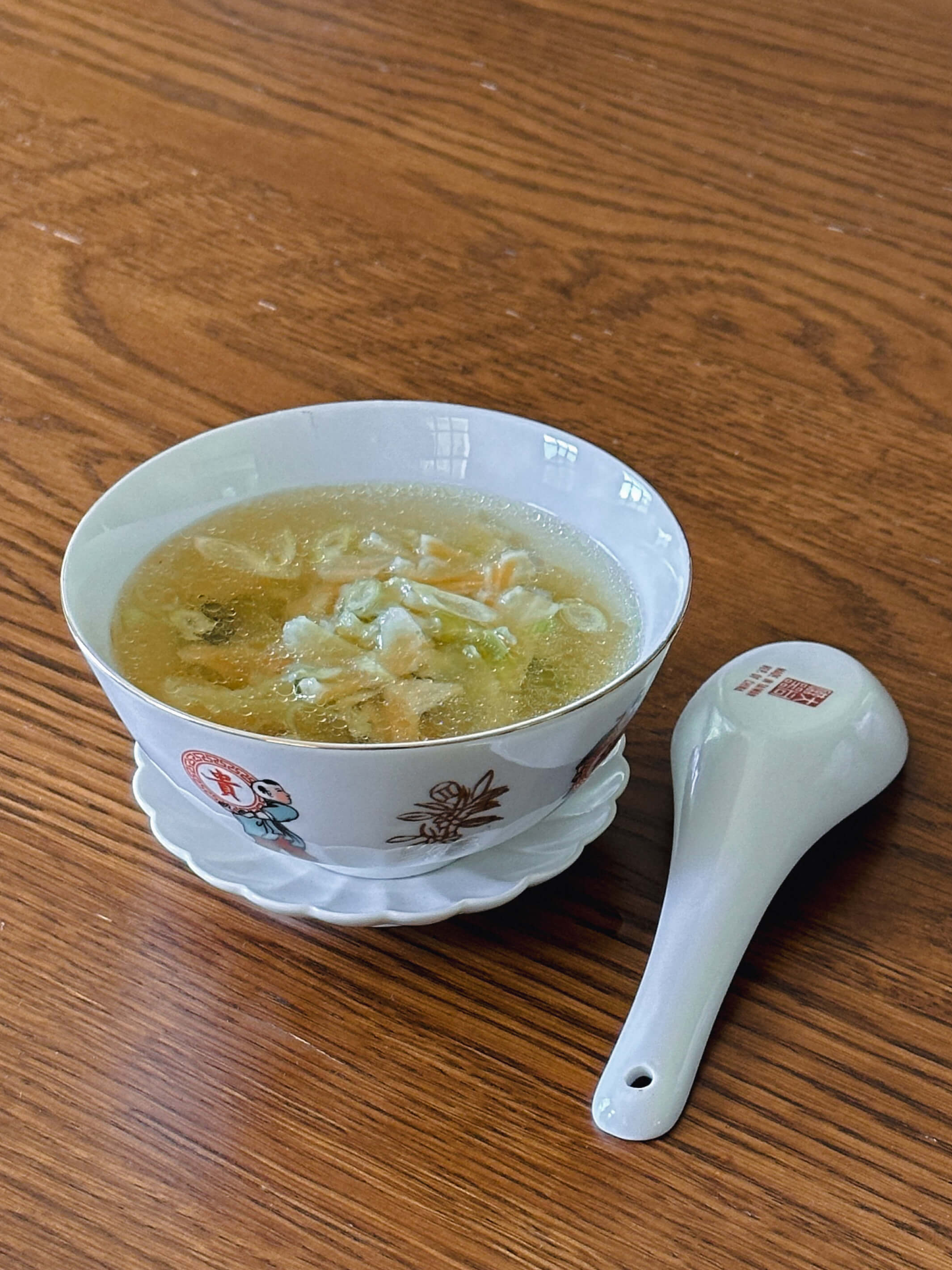
Sun-dried Cabbage Stock
Although it is made from just two ingredients, this broth carries an astounding depth of flavor.
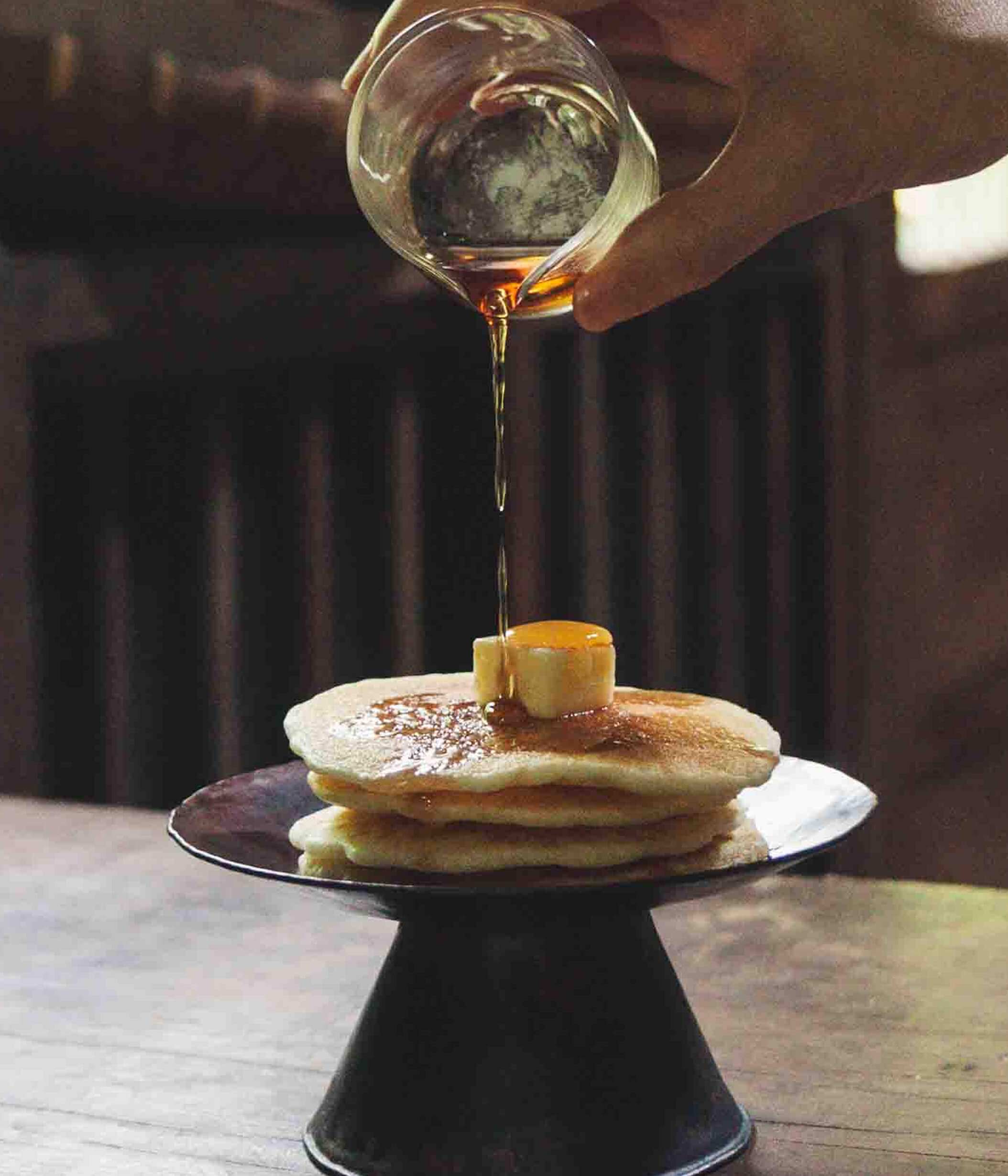
Gluten-Free Penglai Rice Pancakes 米鬆餅(桃園3號蓬萊米)
Learn to make bouncy, rice-fragrant, and gluten-free pancakes using the penglai short-grain rice grown in Taoyuan, Taiwan by rice farmer Chen Shih-Hsien.
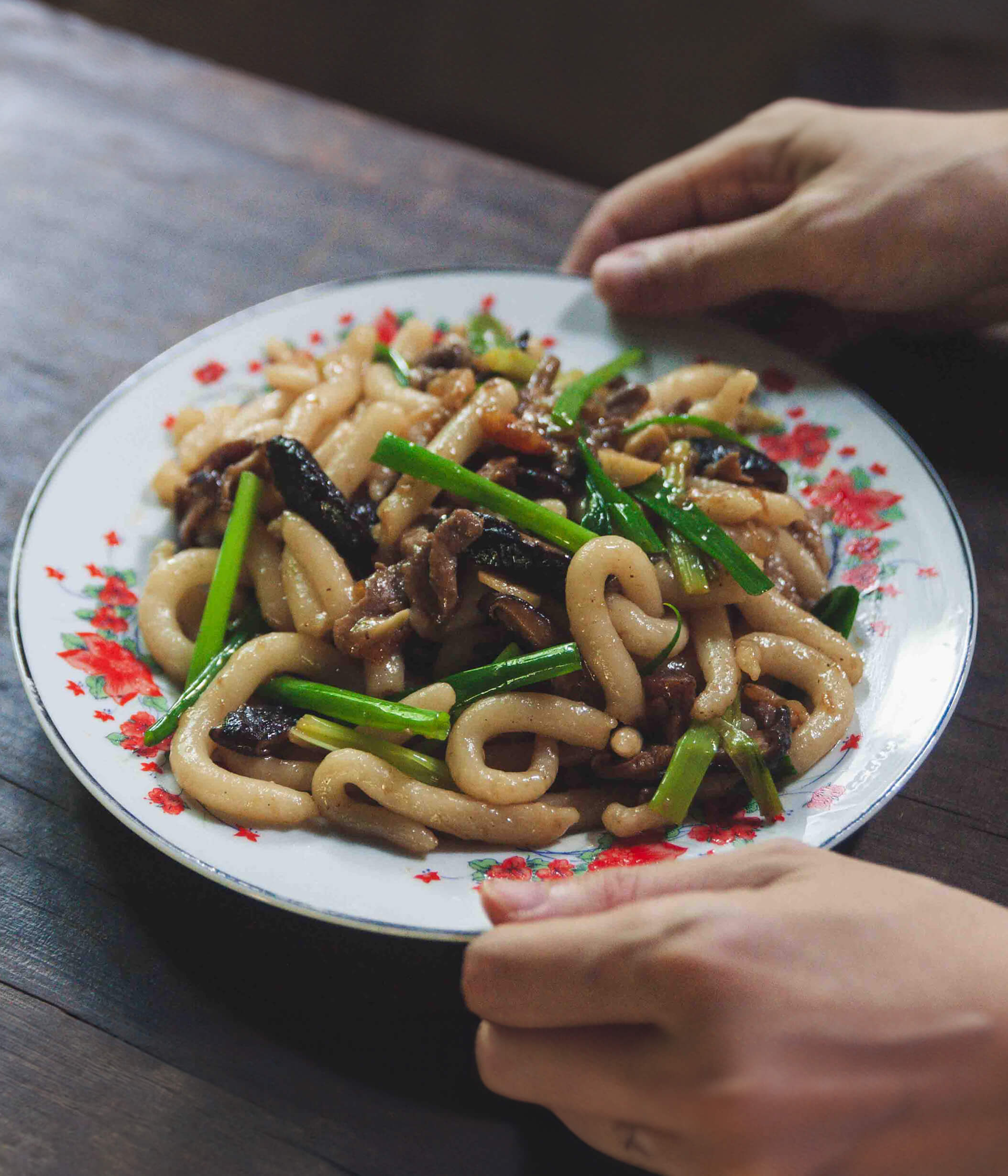
Stir-Fried Silver Needle Noodles 炒米篩目(台農秈14在來米)
Stir-fried with shiitake mushrooms and finished with chives, silver needle rice noodles made from zailai long-grain rice become a complete dish that delights all senses.
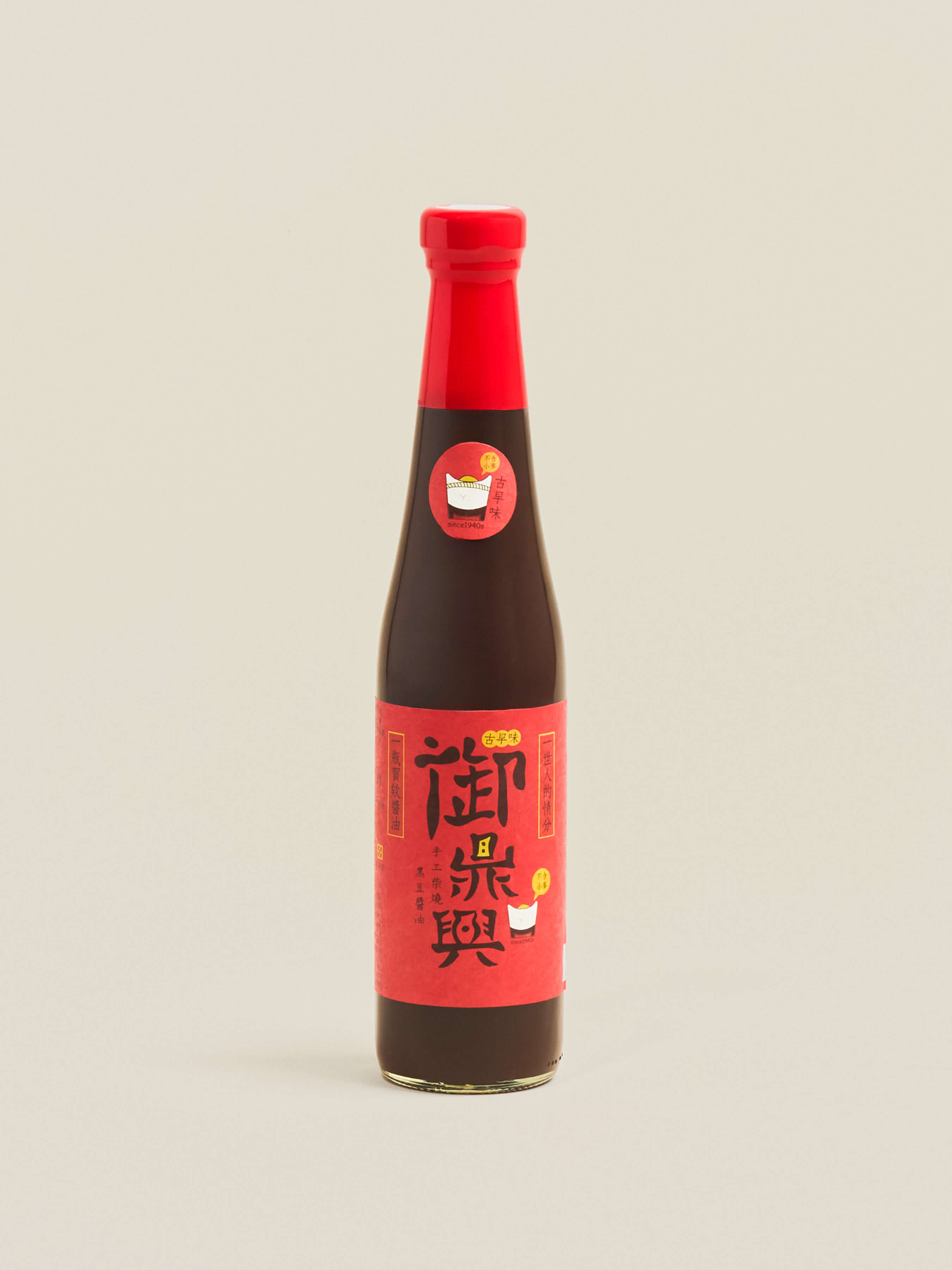
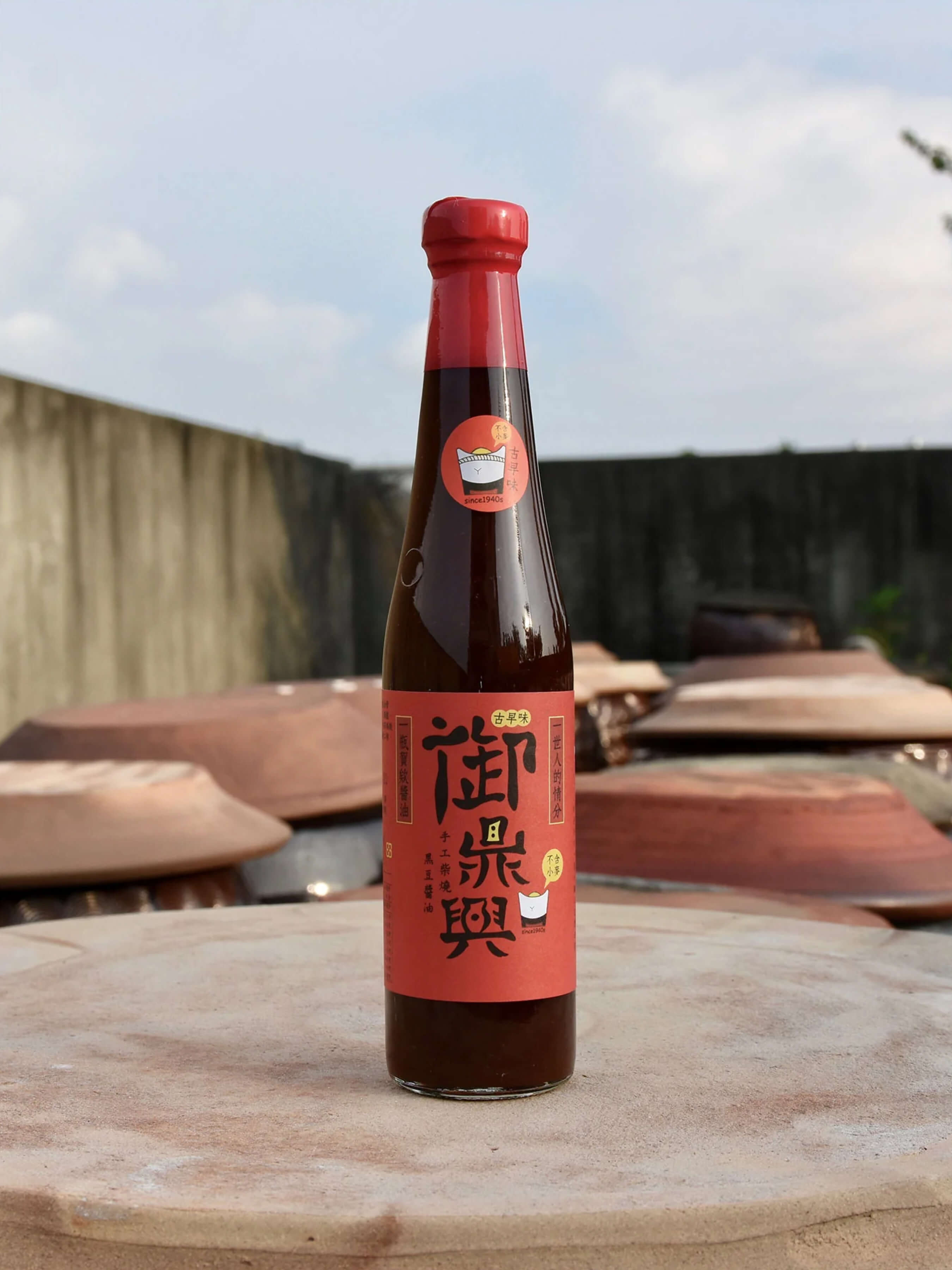
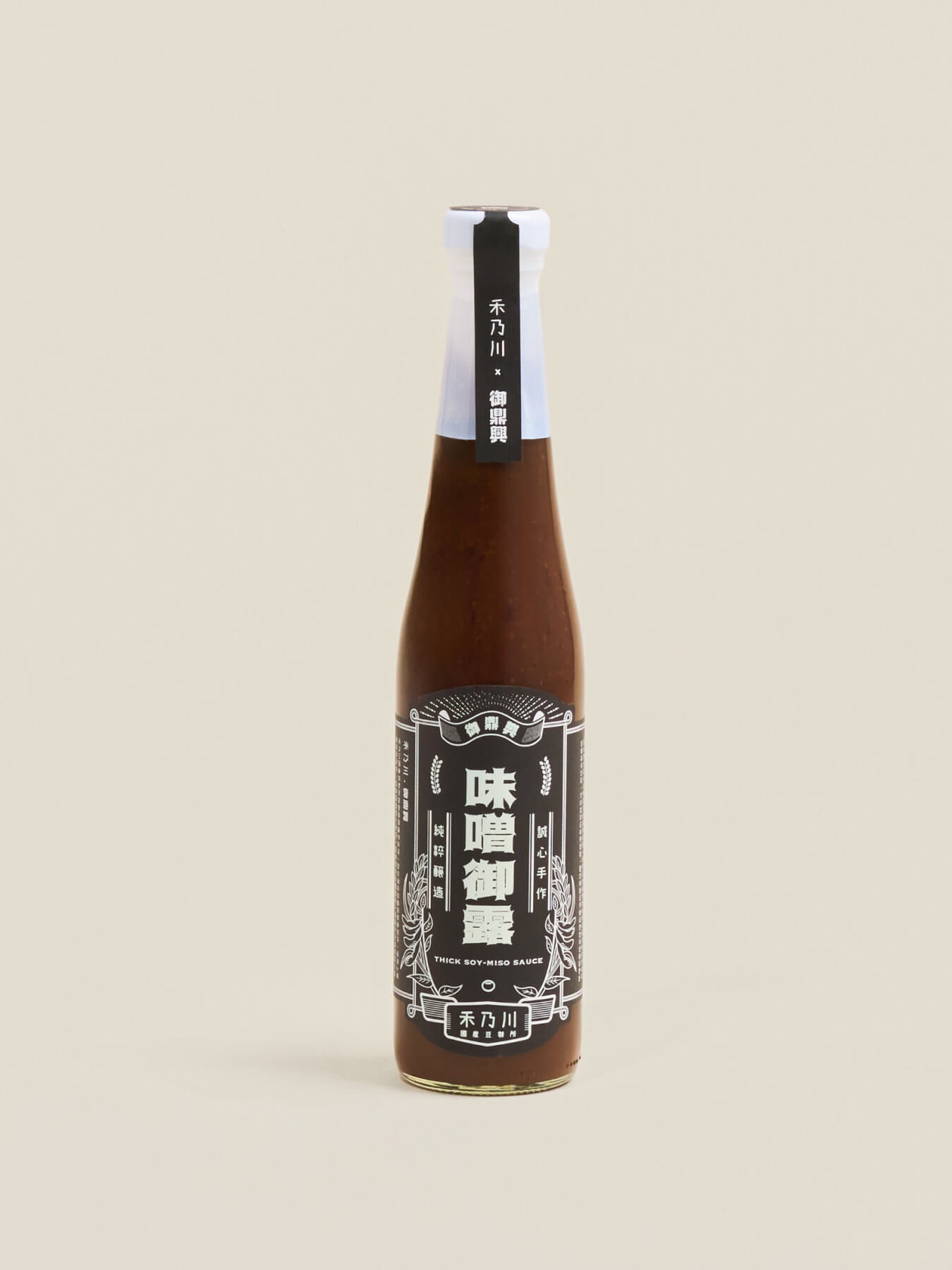
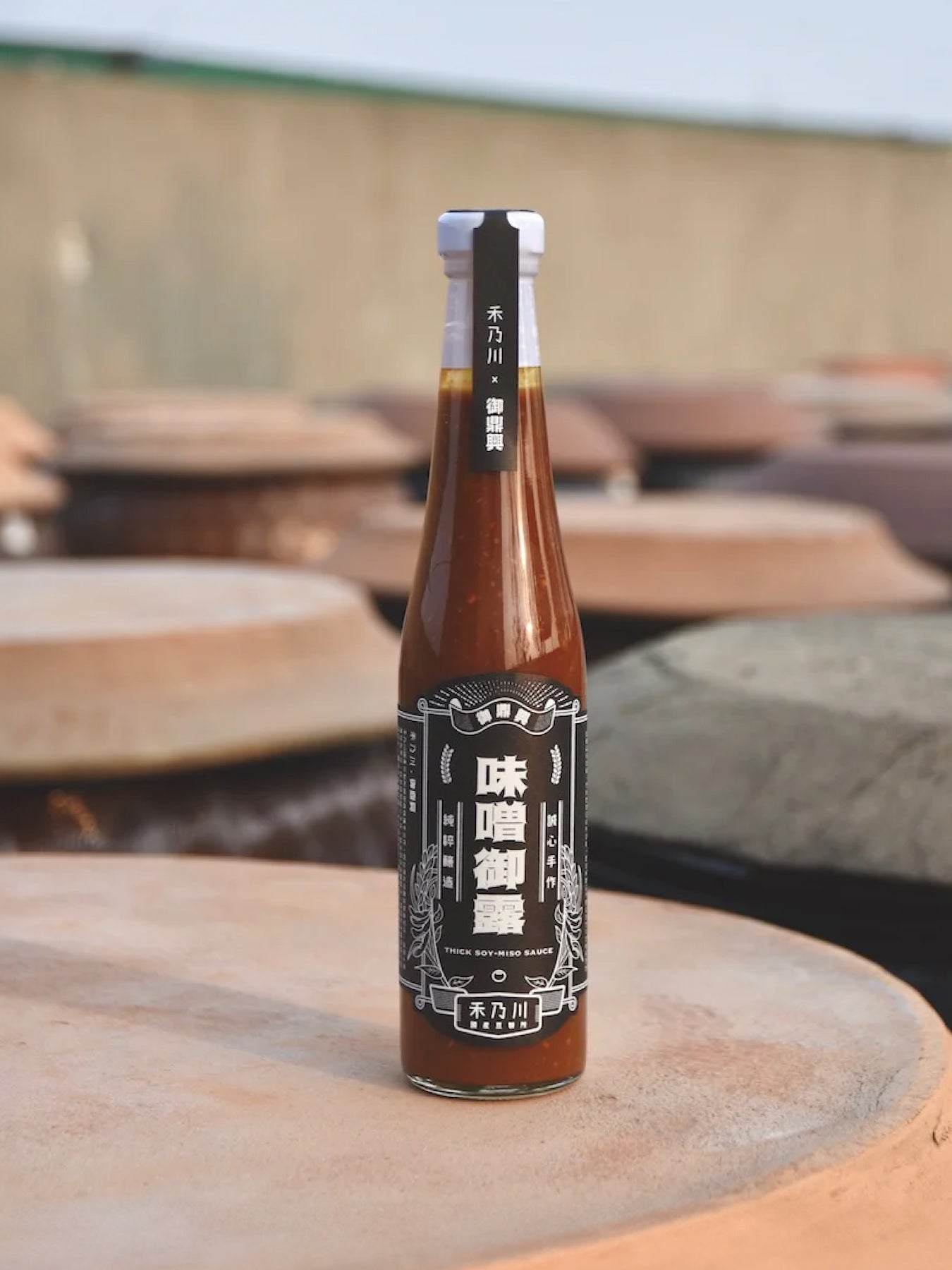
味噌御露油膏
Miso Soy Paste (Single-Origin)


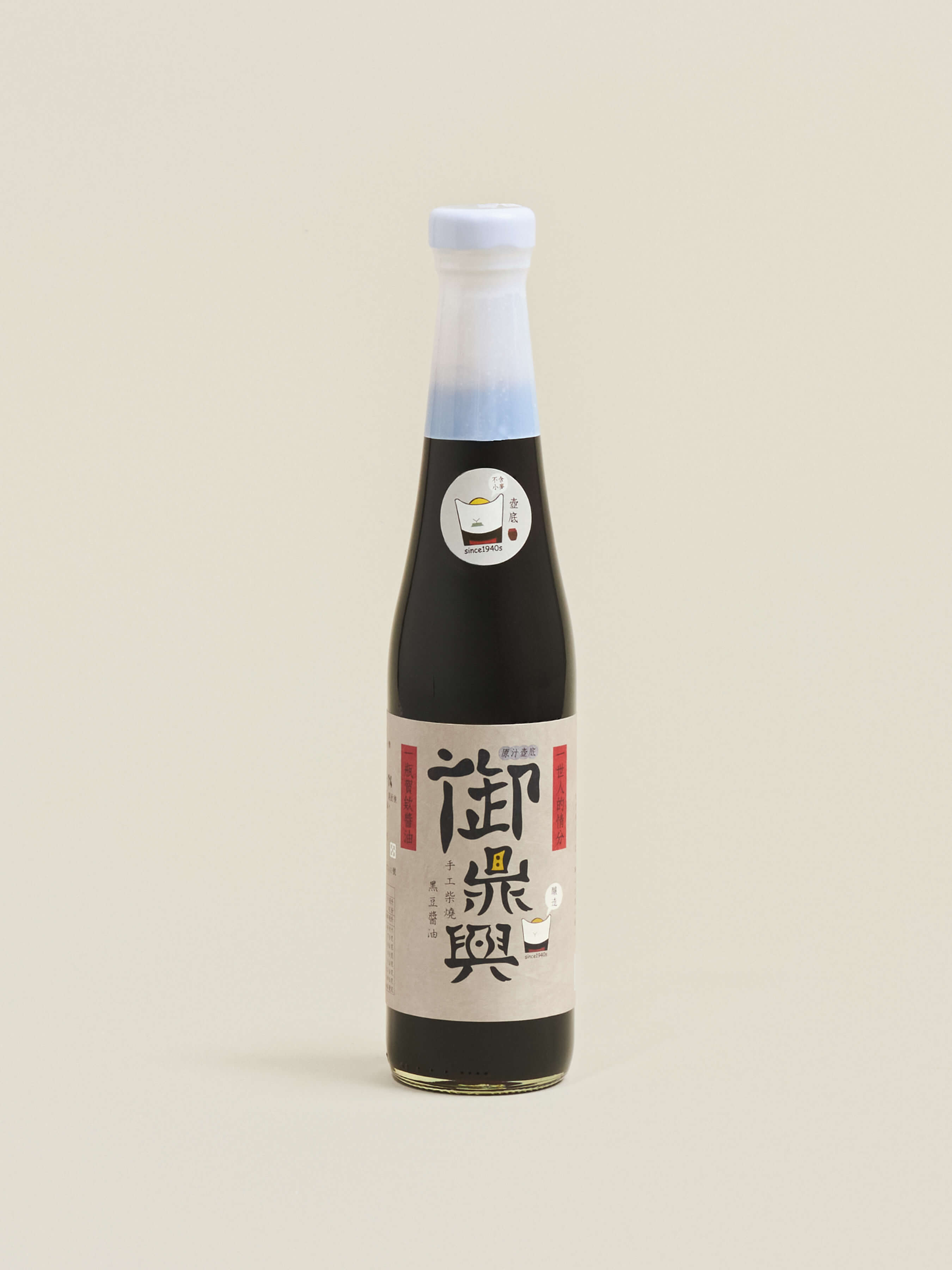
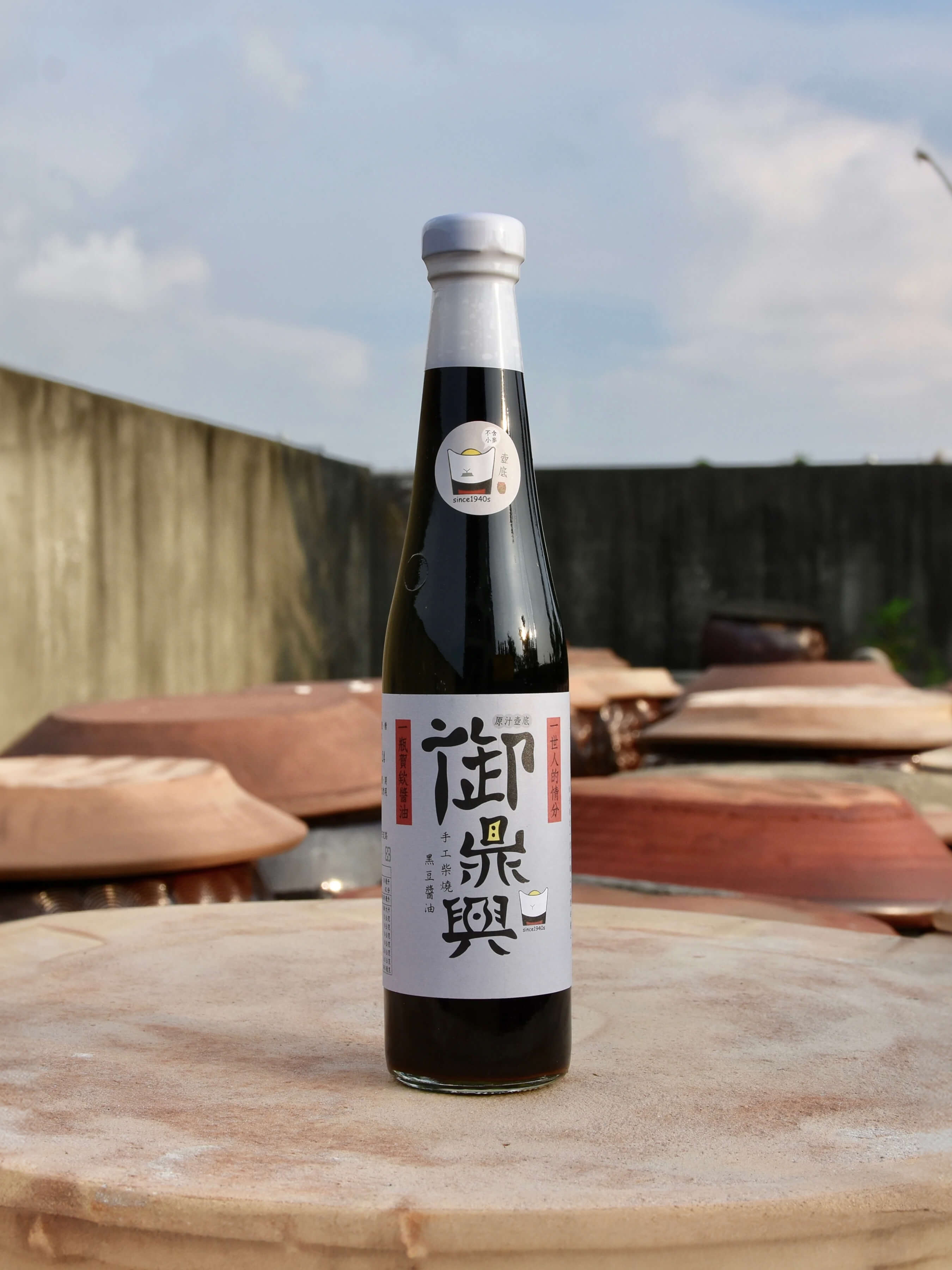
原汁壺底清油
Vat Bottom Soy Sauce